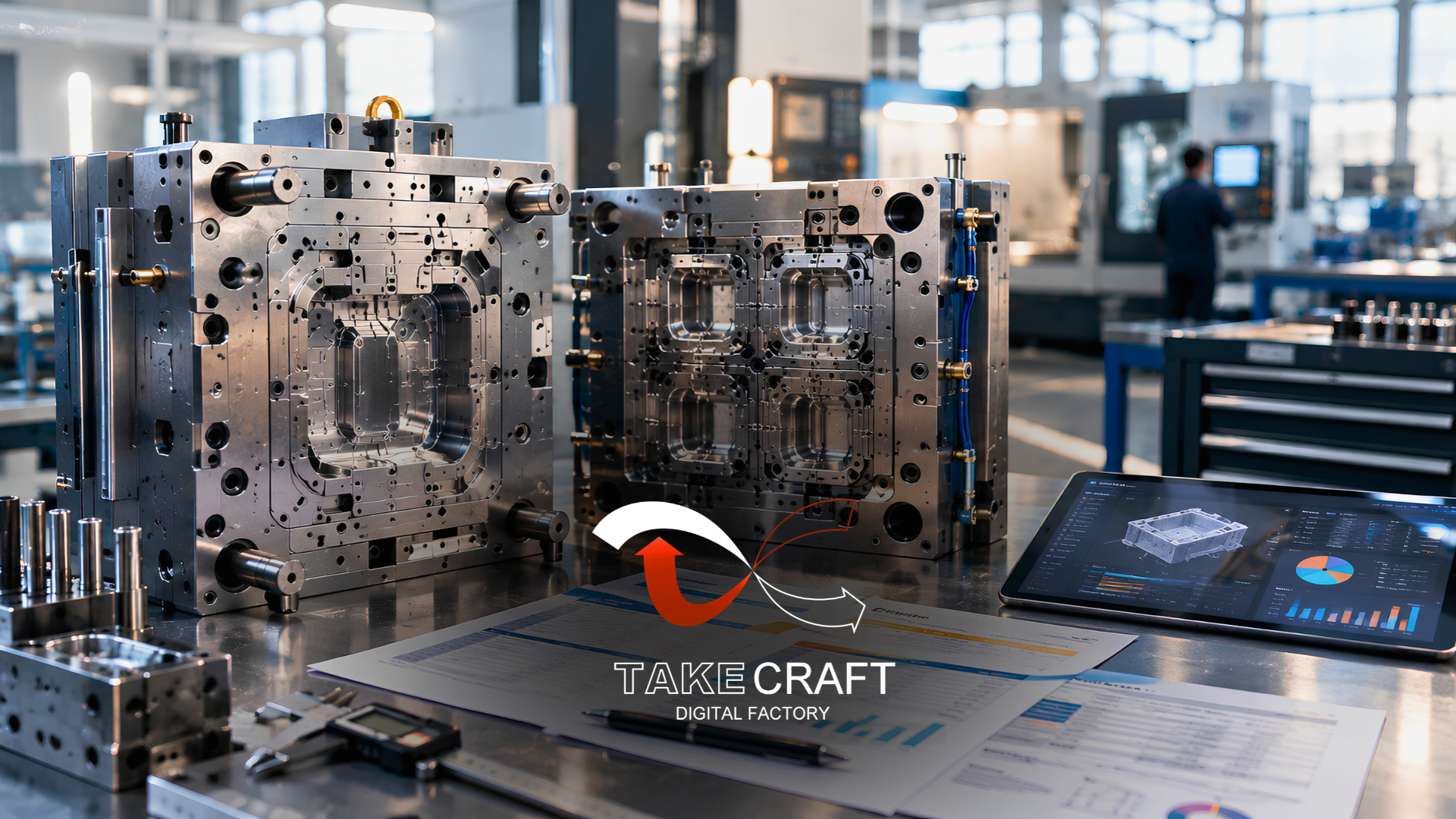
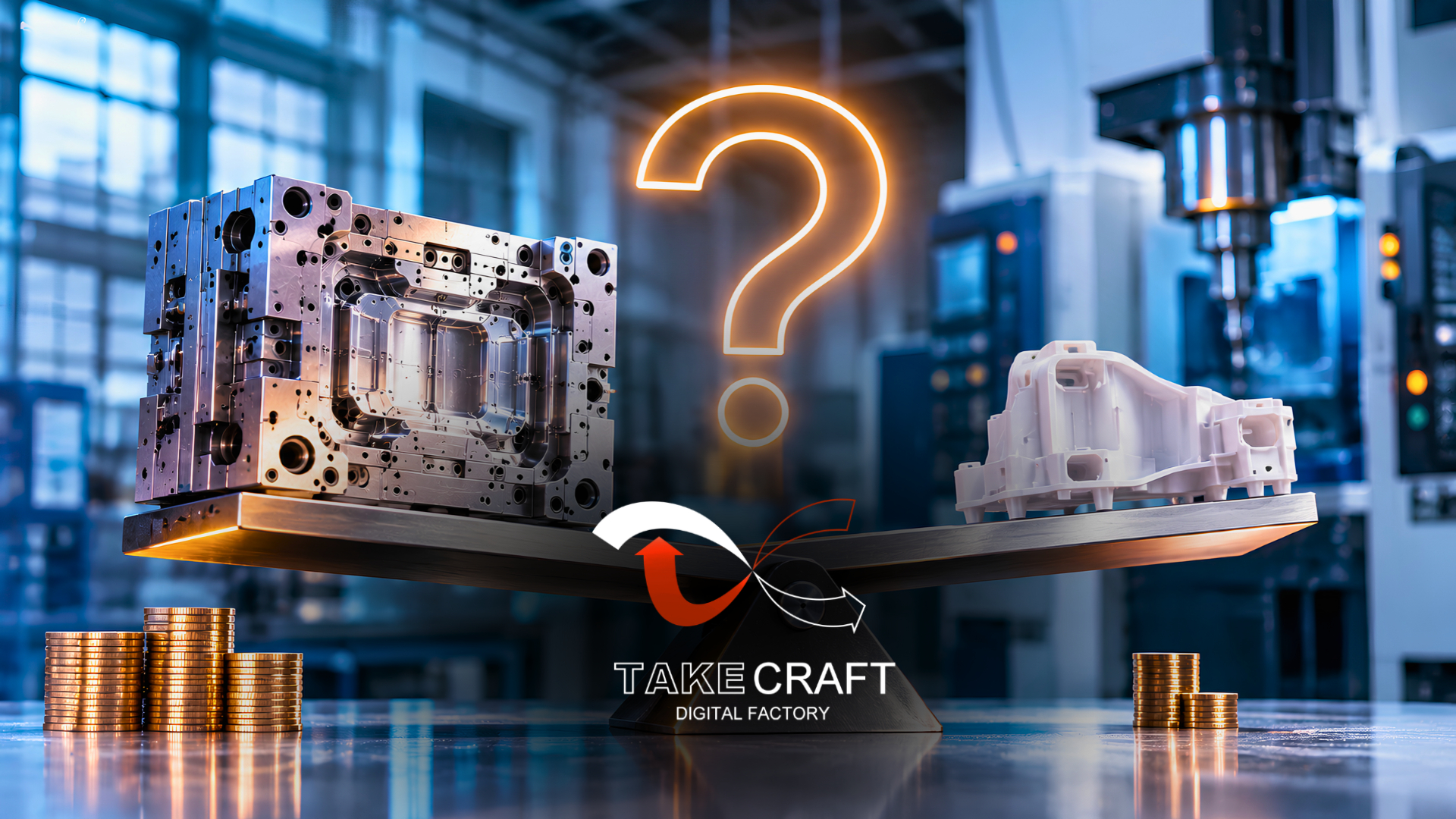
What can choosing a low-cost injection mold actually cost you in the long run? Discover how mold lifespan, production performance, maintenance requirements, and engineering decisions affect the total cost of ownership.
Imagine receiving two quotations for injection molds designed to produce the same plastic part. There is a significant price difference between them. At first glance, the lower-priced offer seems more attractive. But will that advantage remain once the mold enters serial production?
Evaluating the true cost of a mold based solely on its purchase price can be misleading. Mold design, manufacturing precision, operating conditions, and service life all have a direct impact on long-term production costs.
What additional costs can come with a low-cost mold?
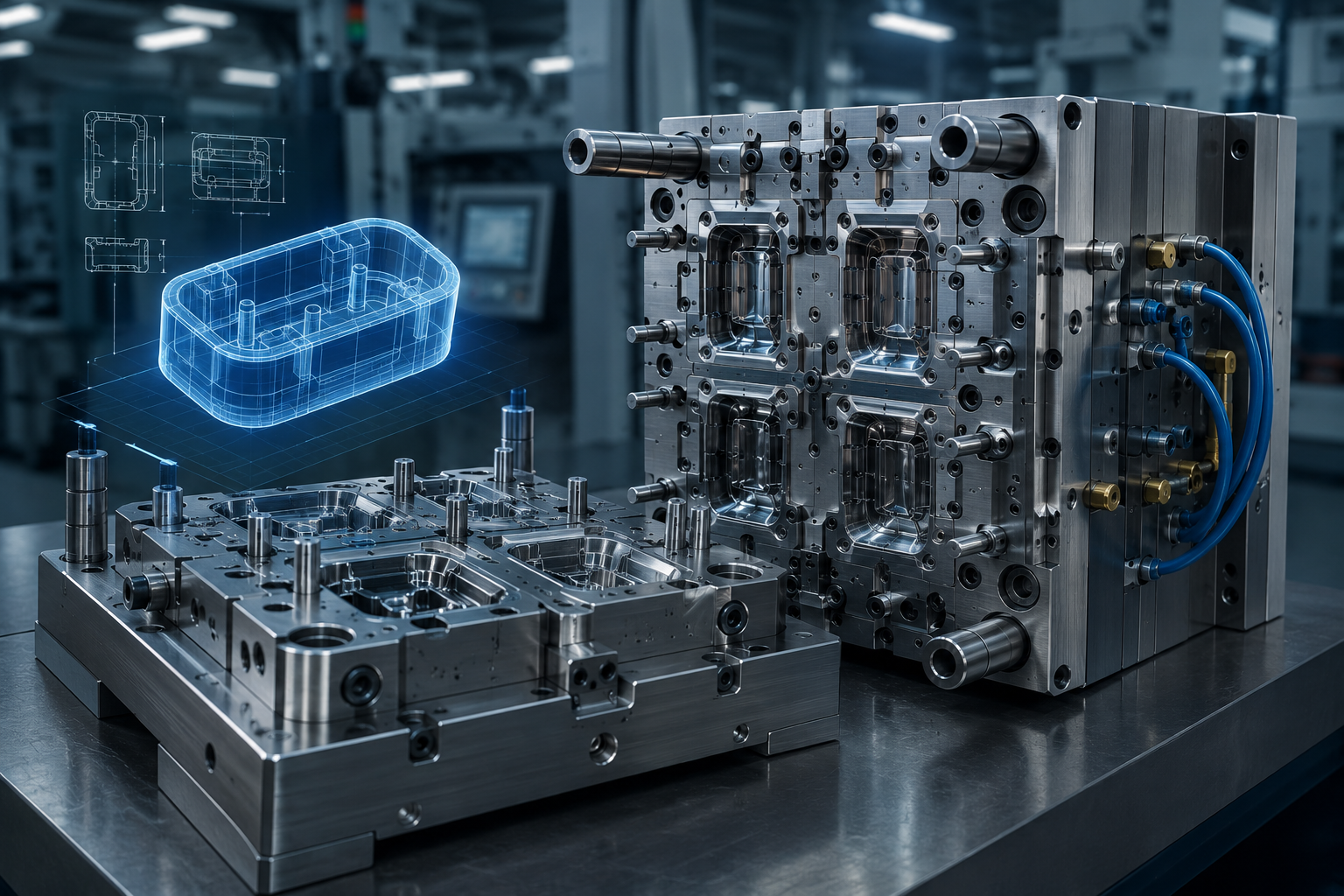
The steel, standard components, and manufacturing methods used in mold production are among the factors that determine the initial investment. However, these choices also influence the operating conditions under which the mold can perform and how long it can remain in service.
For example, a cooling system that is not properly designed around the part geometry may increase cycle time. Incompatibility between the mold and the injection molding machine can complicate commissioning and production start-up. Tolerances or moving mechanisms that have not been adequately evaluated may lead to additional machining and revision requirements.
These problems do not occur with every low-priced mold. However, they are risks that should not be overlooked when evaluating a quotation.
Maintenance requirements, production downtime, variations in part quality, and unexpected modifications can change the economics of an investment that initially appeared advantageous.
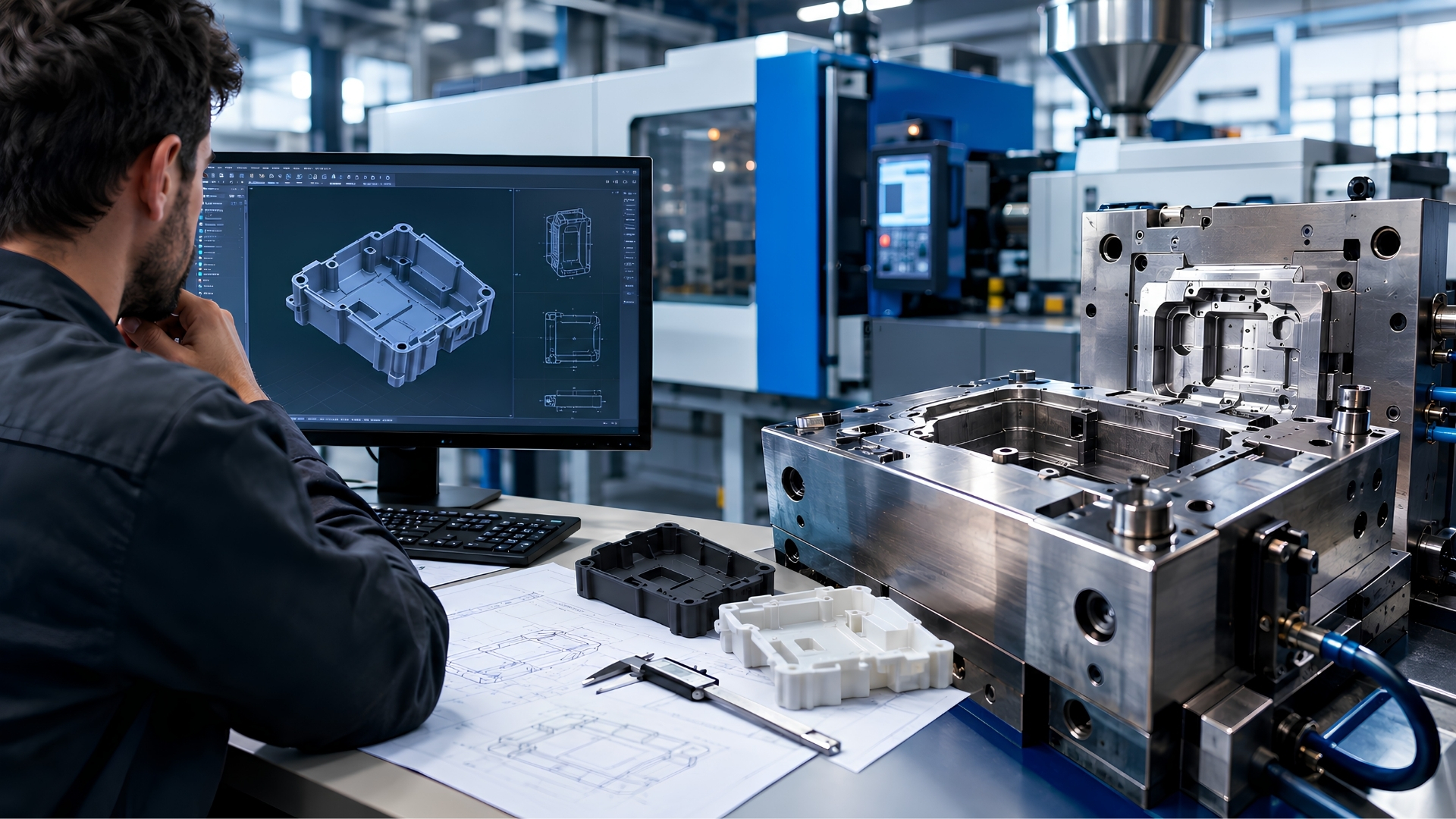
A mold is not simply a manufacturing project in which the geometry shown in a technical drawing is transferred into steel.
Several factors need to be evaluated together: the intended application of the product, the plastic material to be used, the expected production volume, and the injection molding machine on which the mold will operate.
This is where an engineering-driven approach makes a difference.
A quotation prepared without asking the right technical questions may price a solution that does not fully meet the actual requirements of the product or the production process.
At Take Craft Engineering, we approach mold and manufacturing projects by evaluating product requirements and production objectives together.
Our aim is not simply to provide a mold price, but to help identify a solution that meets both technical and commercial expectations.
The most important question in mold investment is not simply, “How much does this mold cost?”
It is equally important to consider whether the mold can meet the expected production volume, quality requirements, and operating conditions throughout its service life.
If you are planning a new mold investment or looking for alternative solutions for your existing production process, you can discuss your project with Take Craft Engineering.
Let’s evaluate the right mold solution for your production requirements.
Website: https://takecraftengineering.com
Phone: +90 312 870 1105
Email: info@takecraftengineering.com
Export: export@takecraftengineering.com
Right Engineering, Right Production.
1. Why can a mold with a lower initial price become more expensive over time?
A lower initial price may involve compromises in mold steel selection, cooling system design, or tolerance evaluation. During serial production, longer cycle times, frequent downtime, unexpected revisions, and maintenance requirements can increase the total project cost significantly beyond the original quotation.
2. What costs should be considered beyond the purchase price of a mold?
Maintenance requirements throughout the mold’s service life, variations in part quality, machine compatibility issues, revision expenses, and productivity losses caused by production downtime should all be considered. These factors can create hidden costs that are not always visible in the initial quotation.
3. How does an engineering-driven approach help optimize mold investment costs?
An engineering-driven approach considers the product’s intended application, selected plastic material, target production volume, and injection molding machine compatibility from the beginning of the project. This helps identify potential manufacturing issues early and reduces unnecessary expenses by ensuring that the mold is designed to meet its intended performance requirements.
4. How can you identify the right mold quotation?
The right quotation is not necessarily the one with the lowest price. It is the one that clearly defines the product’s technical requirements, expected production volume, mold steel specifications, and the scope of potential revisions. The technical commitments behind the quoted price should always be evaluated in detail.