Blow molding is a widely used manufacturing method for shaping hollow plastic products. In this process, plastic material is first heated and softened, then placed into a mold and inflated with air to take its final form. This technique allows for the production of lightweight yet highly durable products. At Take Craft Engineering, we produce blow-molded parts to high-quality standards and develop customer-focused solutions. With our advanced technological equipment, we offer production processes suitable for both mass production and custom design requirements.
Blow molding is a process in which a plastic tube (parison) is heated and inserted into a mold, then inflated with air to conform to the mold’s shape. This method results in hollow plastic parts. It is commonly chosen for its advantages such as lightweight construction, strength, and low production costs. The end product is a seamless, single-piece structure—enhancing both durability and manufacturing efficiency.
Blow molding is used to manufacture water bottles, cleaning product containers, fuel tanks, toys, plastic jerry cans, and many similar items. The flexible nature of this method allows for production in various sizes and shapes. It is especially common in industries that require mass production. Blow molding is ideal wherever a product needs to be lightweight yet durable. Additionally, decorative or functional details can easily be added during the process.
The blow molding process consists of three main steps: preheating, mold placement, and air inflation. First, the plastic tube is heated and softened. Then it is placed inside a two-part mold. Once the mold is closed, air is injected to expand the plastic against the inner surfaces of the mold. After cooling, the final product is removed. These steps can be performed rapidly and repeated efficiently.
Blow molding offers a cost-effective, fast, and flexible production method. It enables the single-piece manufacturing of lightweight and durable products, even with complex internal geometries. Material usage is efficient, and waste is minimal. Reusable molds also provide long-term economic benefits. The resulting products have excellent sealing properties and do not require additional joining processes.
The most common blow molding techniques include extrusion blow molding, injection blow molding, and stretch blow molding. Extrusion blow molding is preferred for large-volume products, while injection blow molding is used for more precise components. Stretch blow molding is typically applied in PET bottle production. Each method offers distinct advantages, and the choice depends on the specifications of the product to be manufactured.
Common materials used in blow molding include polyethylene (HDPE, LDPE), polypropylene (PP), and PET. These plastics are not only easy to form but also deliver high performance in the final product. Material selection must be made carefully based on the product’s intended use. For example, chemical resistance is crucial in food packaging, whereas impact strength is more important in the automotive sector. Take Craft Engineering supports material selection with technical analysis to ensure the best outcome for each project.
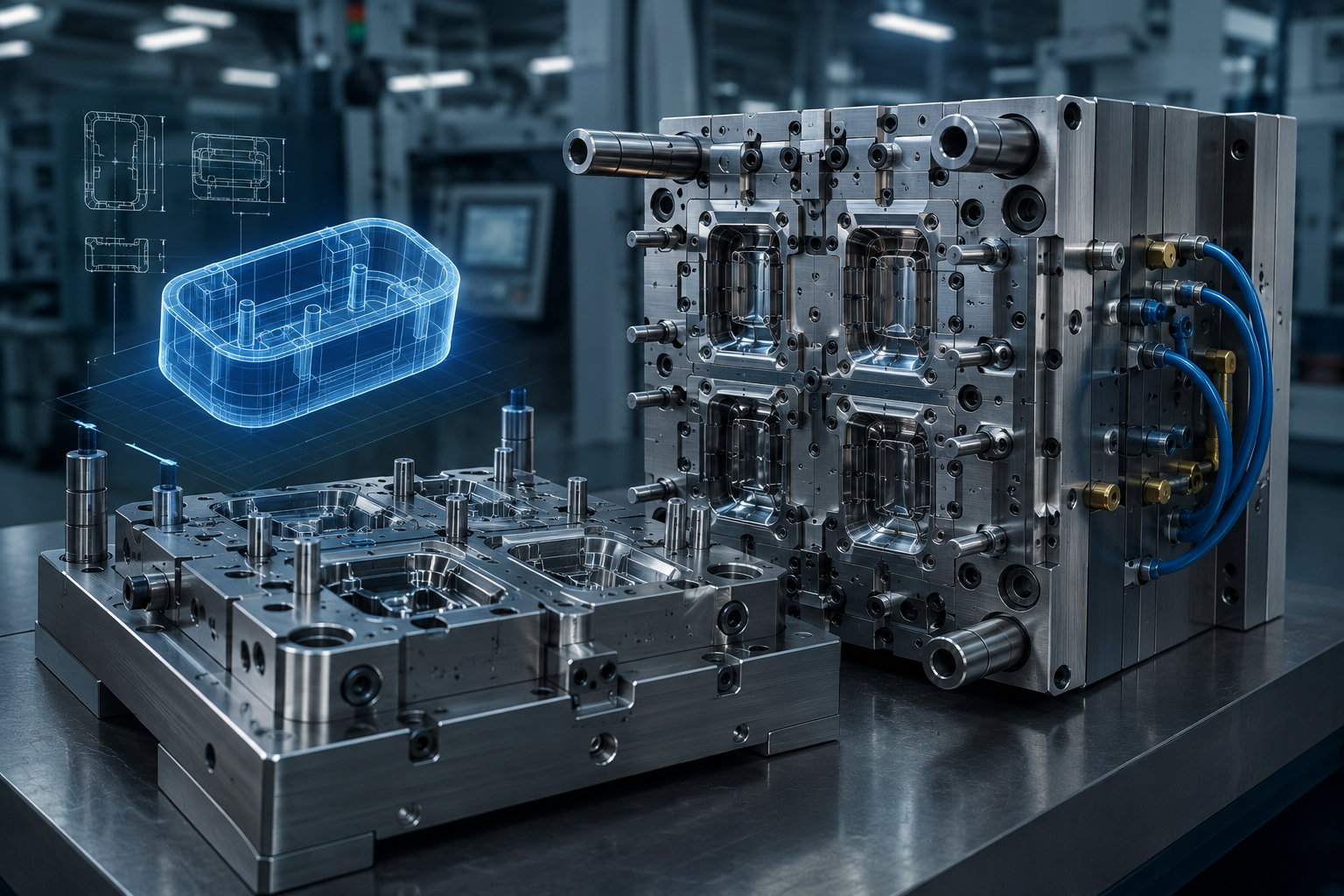
The success of the blow molding process largely depends on mold design. Mold geometry directly affects airflow and material distribution. A well-designed mold ensures uniform wall thickness and strength throughout the product. Cooling channels help the product to be released easily and speed up the overall production cycle. Even the smallest details in mold design can make a big difference in the final result.
In blow molding, quality is ensured through continuous monitoring and measurement during the production process. Parameters such as material temperature, inflation pressure, and mold closing speed must be precisely controlled. Final products undergo tests to verify sealing performance, dimensional accuracy, and surface quality. These quality control procedures are essential to maintain consistency in mass production. At Take Craft Engineering, we apply these processes meticulously to achieve sustainable quality goals.
For more information, feel free to contact Take Craft Engineering.