If you’re looking for the answer to the question “What is a plastic extrusion die?”, you’re in the right place! When it comes to continuity, speed, and precision in production, plastic extrusion die systems play a significant role in industrial manufacturing. Thanks to this system, mass production of plastic pipes, profiles, rods, and similar products used across various industries becomes possible. Take Craft Engineering paves the way for efficient production processes by developing custom solutions with its experience in extrusion die design and manufacturing.
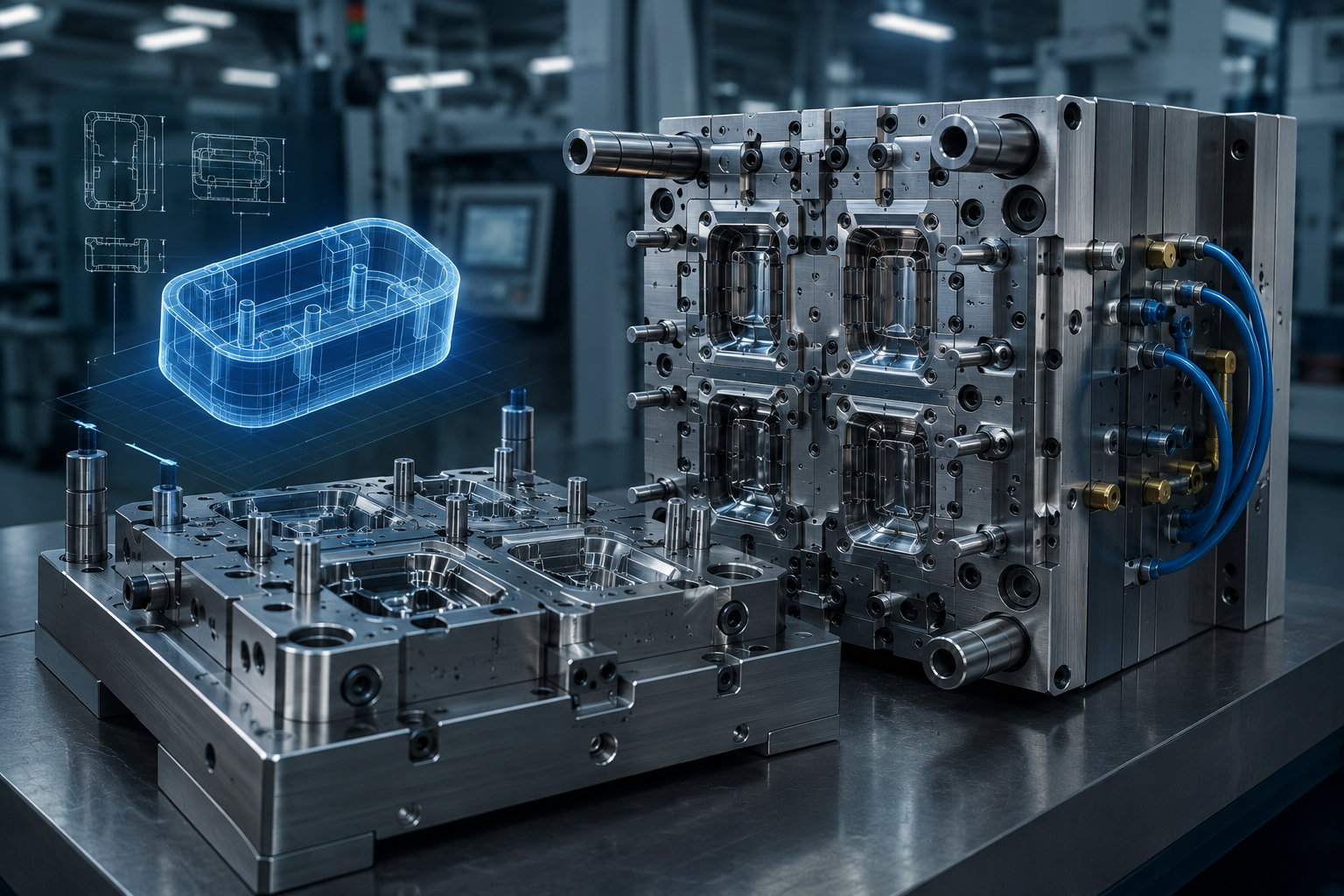
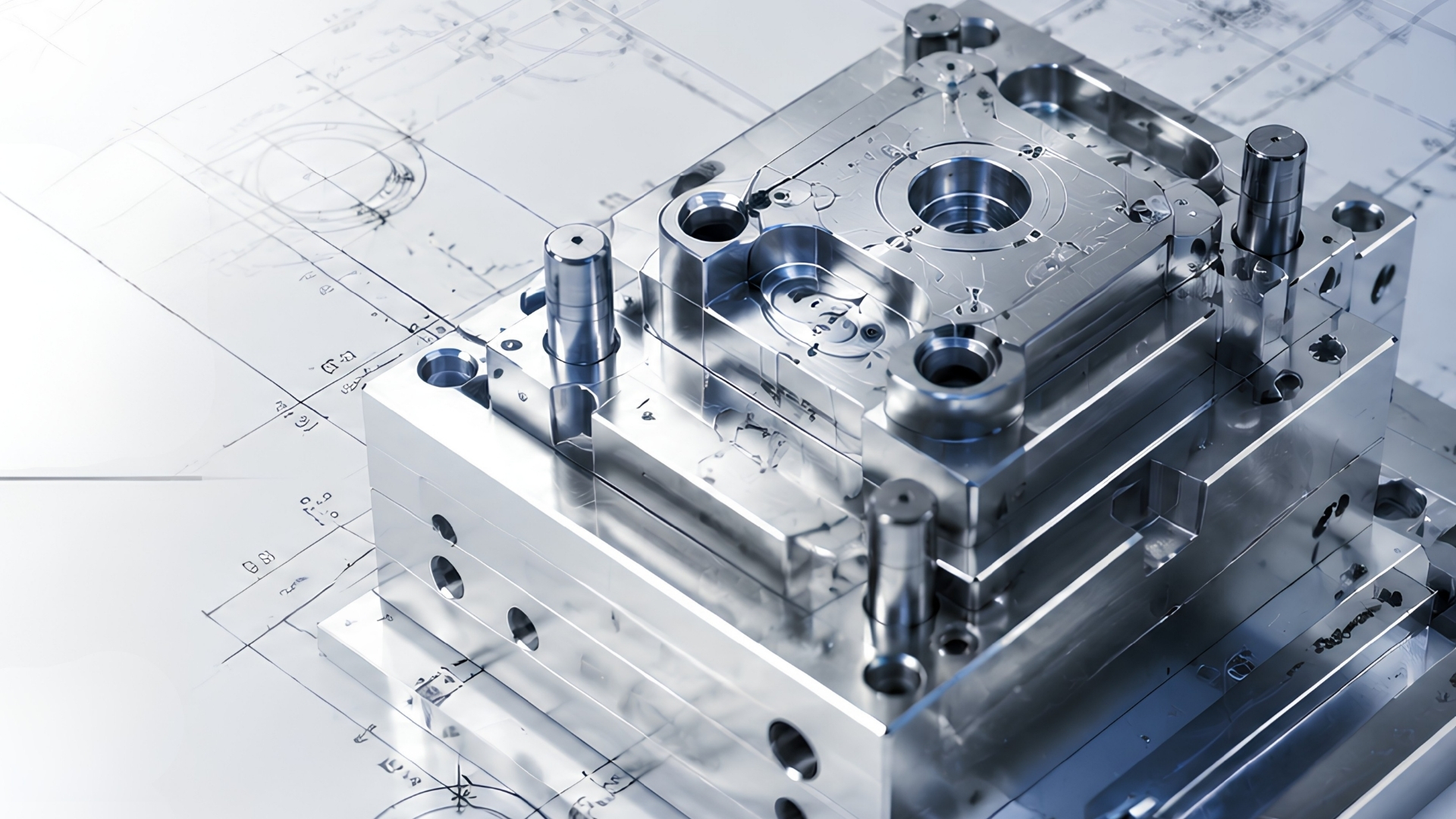
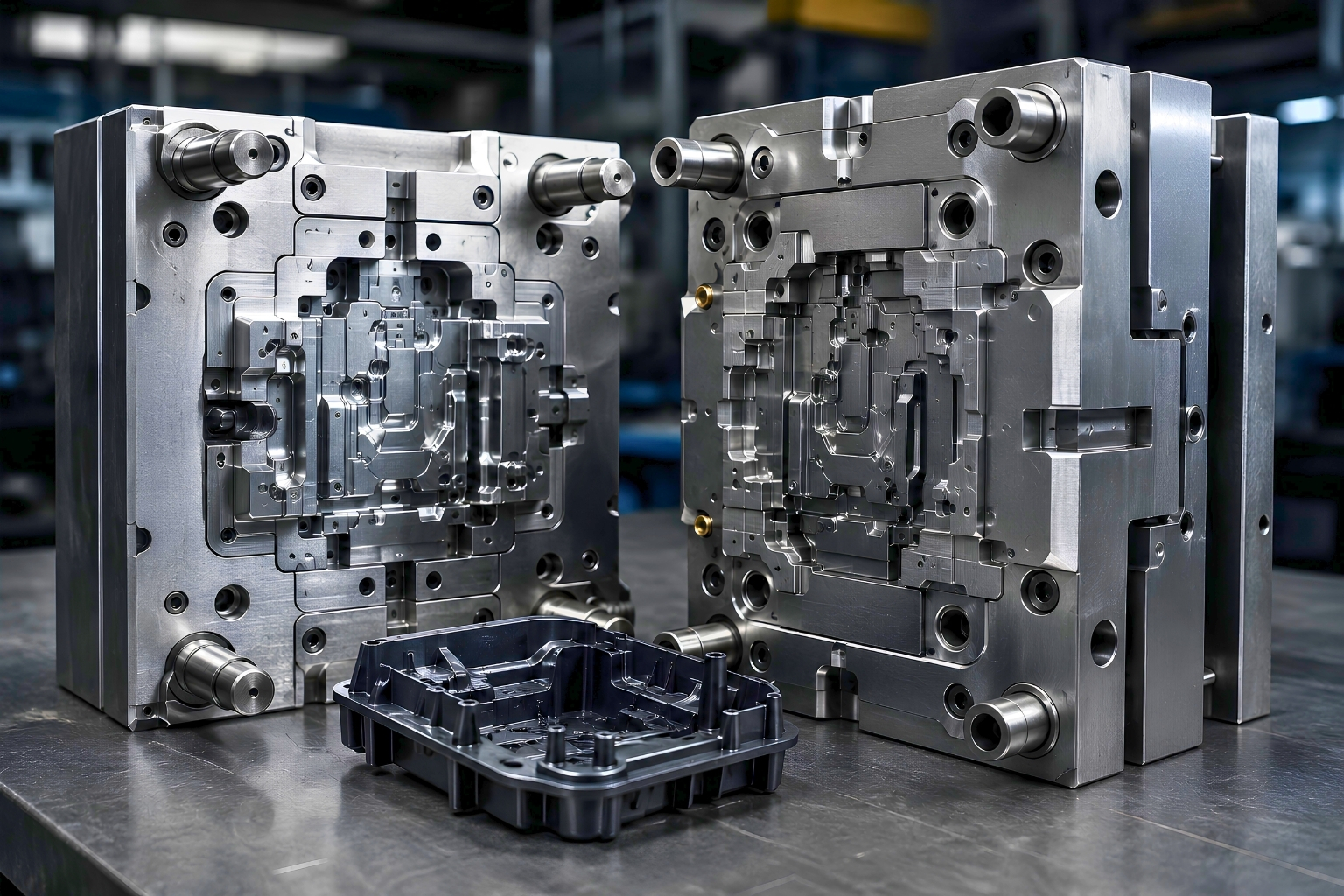
A plastic extrusion die is a specially designed tool used to shape molten plastic material into a specific profile. The melted plastic exits the extruder and passes through the die to take on the desired shape. Because this method operates continuously, it is highly suitable for large-scale production. Once the product is cooled, it is dimensioned and cut to length. In this way, hundreds of meters of profiles, pipes, or rods can be produced with a single die.
Products made using plastic extrusion dies include pipes, cable ducts, window profiles, seals, rods, and a variety of industrial plastic components. This die system is indispensable for producing long, profiled items. Its compatibility with different plastic materials also broadens its range of applications. Components made using extrusion dies are found in industries such as construction, automotive, furniture, packaging, and home appliances.
With plastic extrusion dies, continuous production becomes feasible. Unlike other molding methods that require separate cycles for each item, extrusion allows for uninterrupted production. This results in significant time and cost savings. For companies managing large-volume orders, it’s an ideal solution to shorten production time and reduce costs.
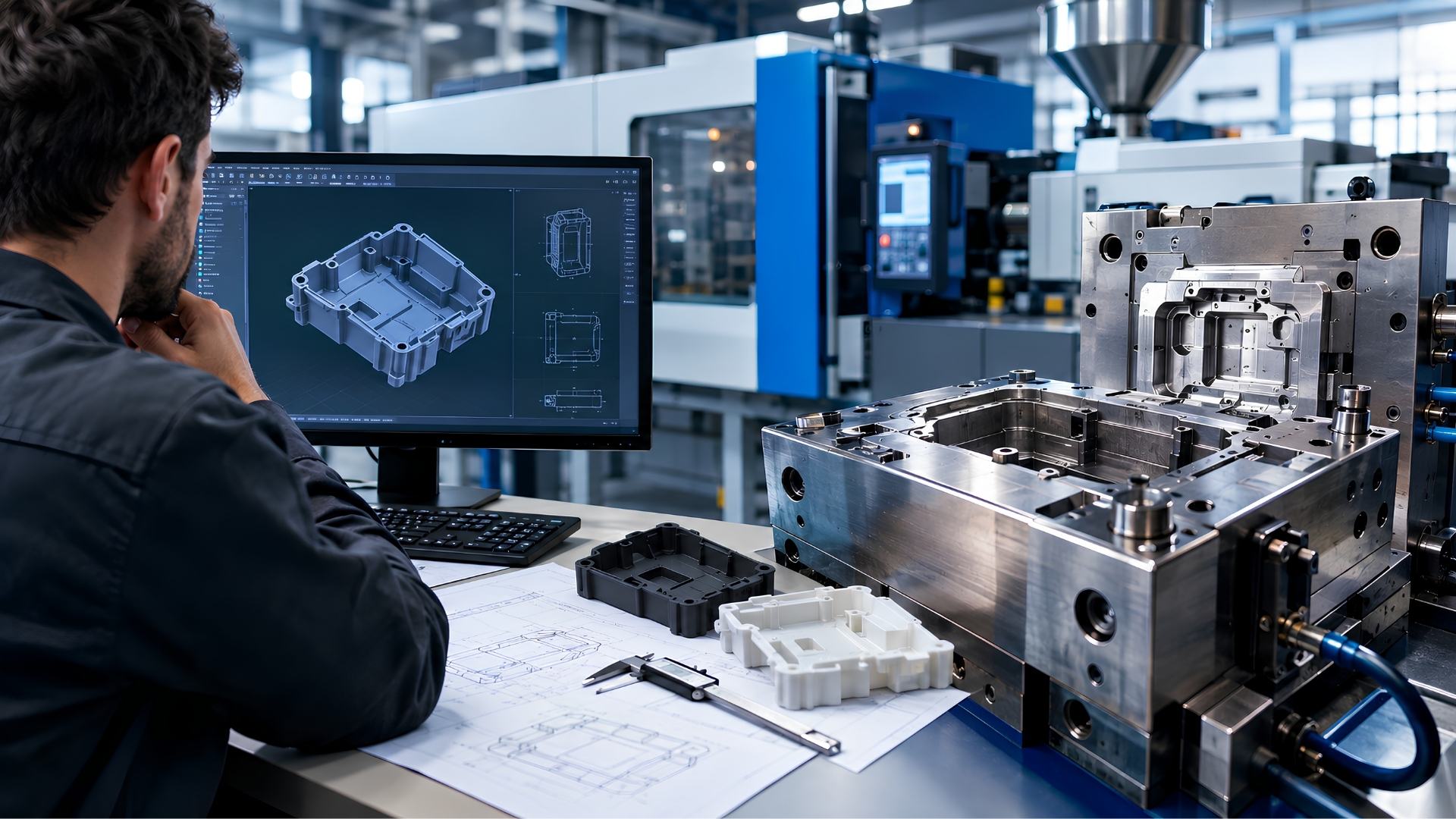
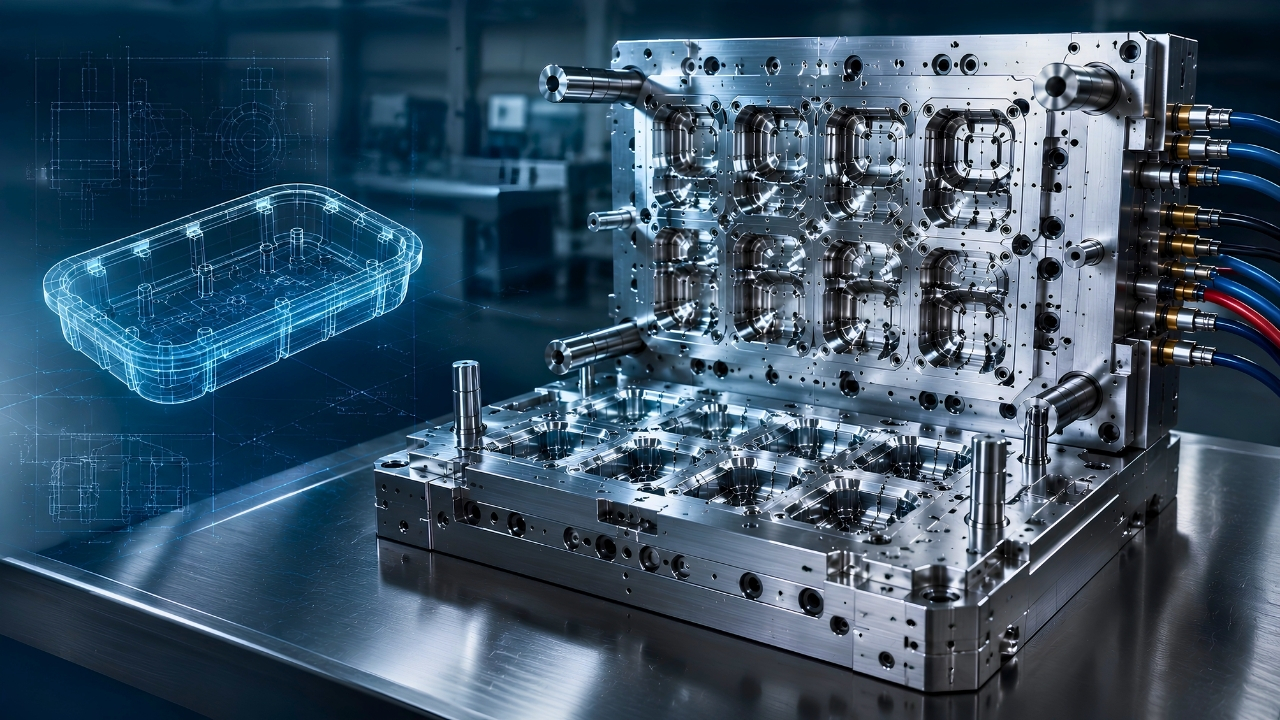
The first step toward successful plastic extrusion die manufacturing is proper design. Factors such as the product’s geometry, type of plastic material, wall thickness, and extrusion speed must be taken into account. The alignment between the die and the cooling system ensures the product solidifies without deformation. Therefore, both mechanical and thermal calculations are essential during the design process.
Plastic extrusion dies are compatible with various materials, including PVC, ABS, polypropylene, and polyethylene. Each material requires different temperature and pressure conditions. For this reason, factors such as material selection, processing parameters, and target product specifications should be clearly defined before die production begins. Proper material-die compatibility increases production quality and reduces waste.
Using plastic extrusion dies ensures dimensional consistency and excellent surface quality in finished products. A well-designed die delivers identical results in every production cycle. This simplifies quality control processes and enables product standardization. Industries such as automotive and construction, where tight tolerances are essential, benefit greatly from this consistency.
To ensure long-term durability, plastic extrusion dies must undergo regular maintenance. Cleaning plastic residue from the die surface, checking cooling channels, and preserving surface smoothness are critical steps for seamless operation. Neglecting die maintenance can lead to reduced product quality and production disruptions. A scheduled maintenance routine plays a vital role in maintaining a smooth production line.
Plastic extrusion dies are one of the cornerstones of industrial manufacturing in terms of both efficiency and technical precision. When combined with proper design, material selection, and engineering support, these systems enable long-term, economical, and high-quality production. For companies that require continuous output, extrusion dies are a reliable and effective investment.
For more information, feel free to contact Take Craft Engineering.