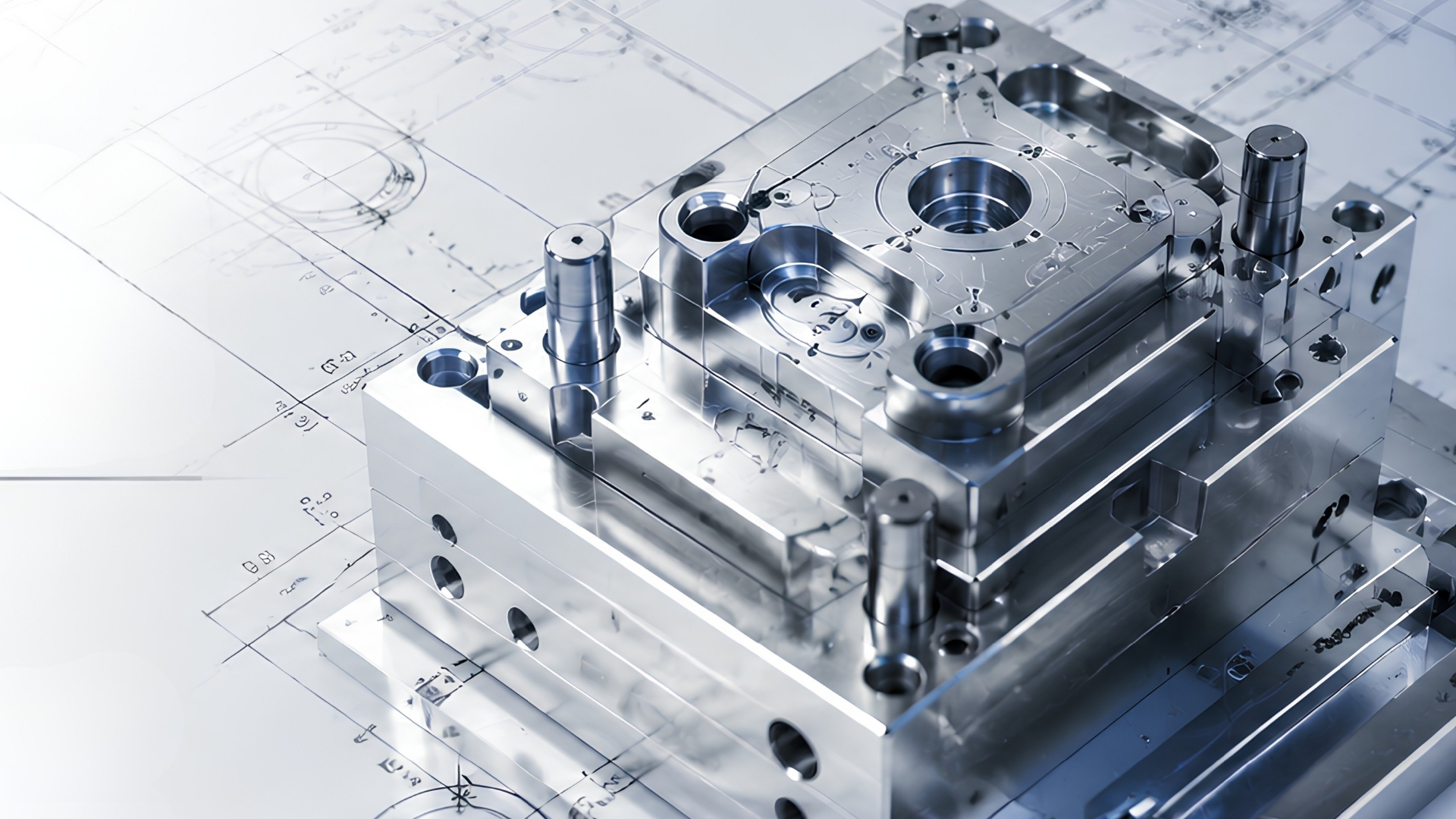
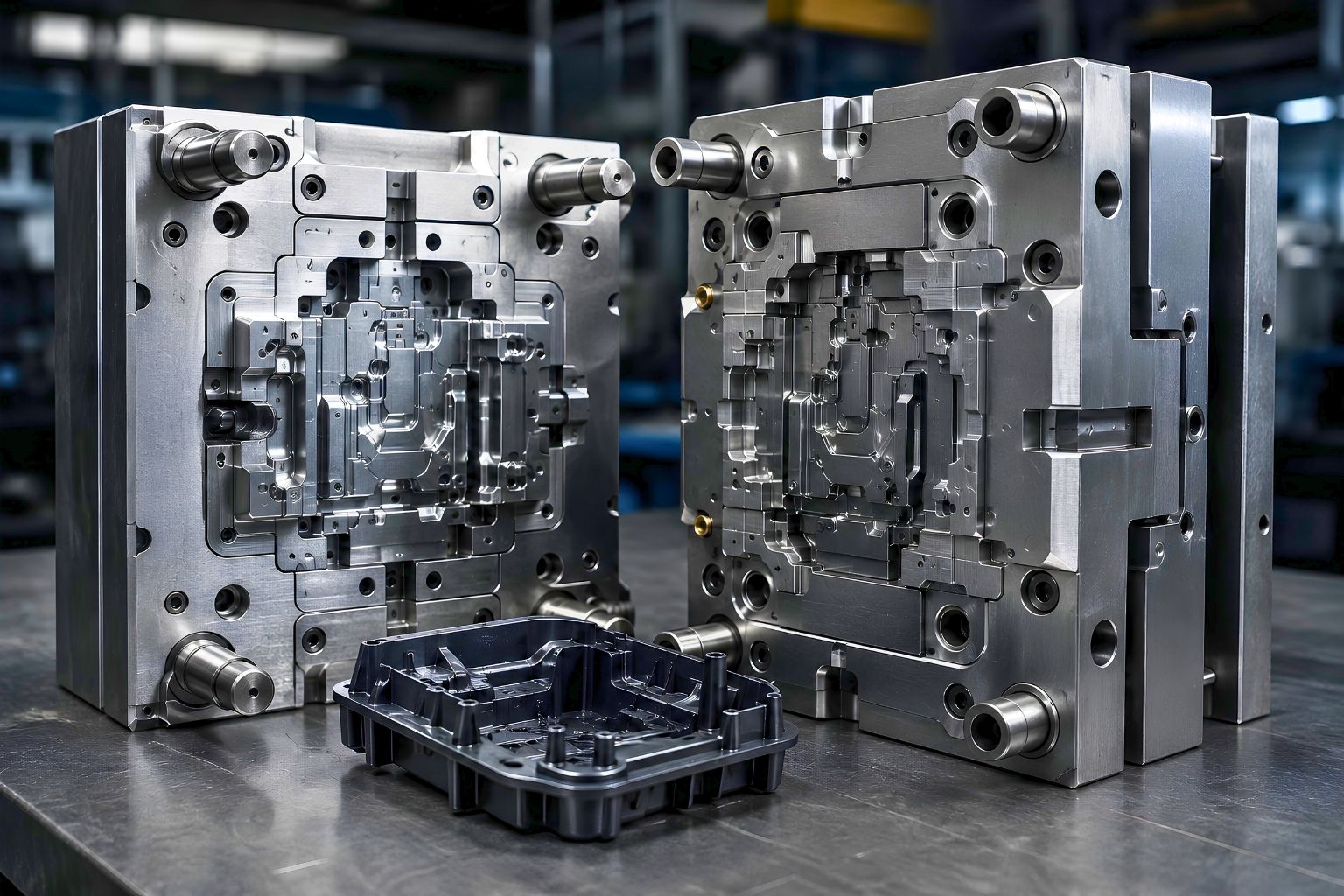
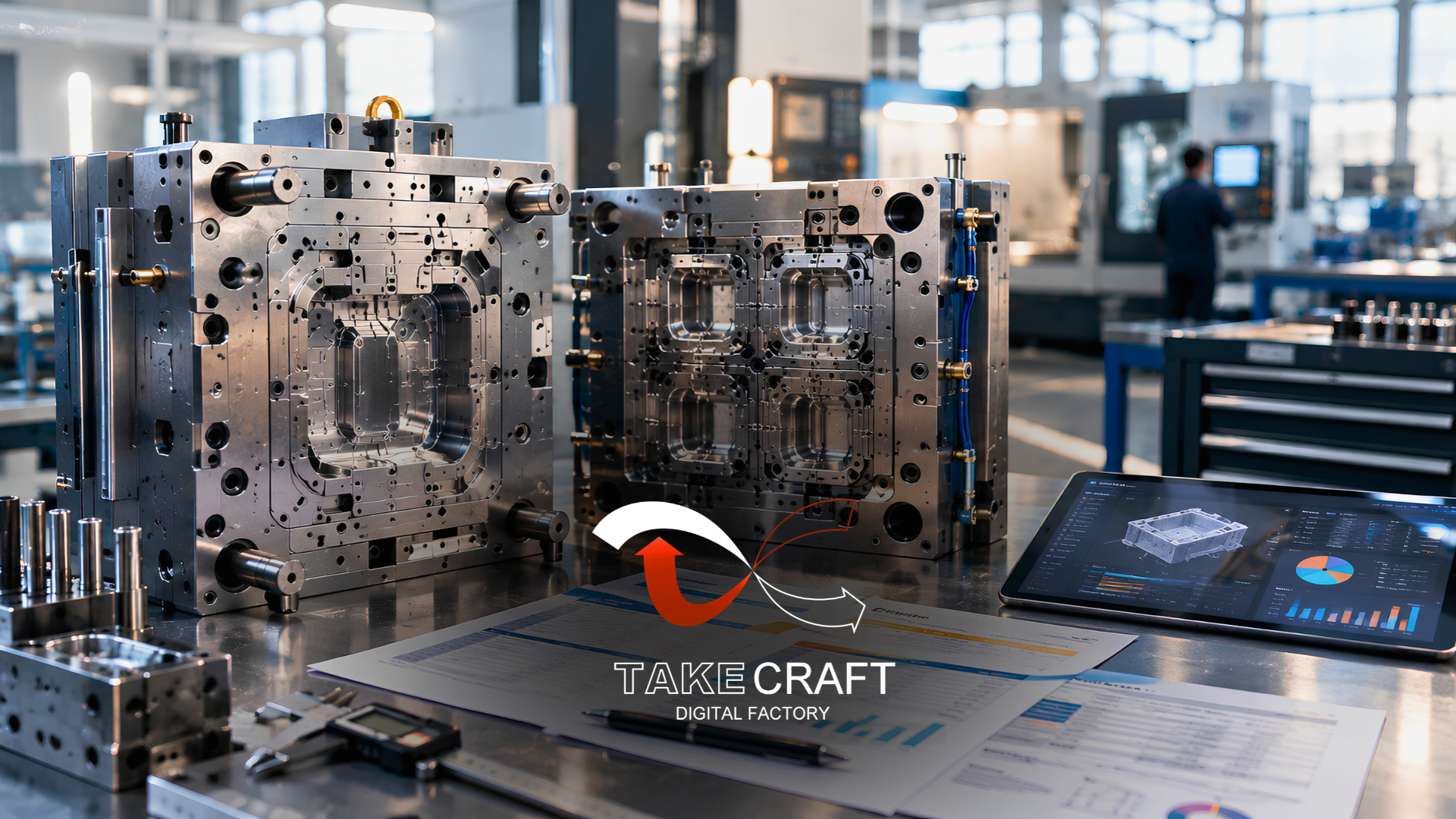
Why do different mold manufacturers quote different prices for the same plastic part? Explore the impact of steel selection, machining time, labor, engineering decisions, and other factors that determine injection mold costs.
You send the technical drawing of the same plastic part to several mold manufacturers. When the quotations arrive, you notice significant differences in their prices.
Why can different manufacturers quote such different prices for the same product?
There is no single factor that determines the cost of an injection mold. Manufacturing methods, CNC machining time, machine-hour rates, and operating expenses are among the main cost components. However, the calculation goes beyond these basic items.
Each manufacturer’s production strategy, precision requirements, technical experience, and approach to project management also influence the final quotation.
Two quotations for the same part do not necessarily represent the same manufacturing method, engineering approach, workmanship, or delivery scope.
One of the first factors affecting mold cost is the selected manufacturing method.
A particular feature may require several CNC machining operations. As machining time increases, so does the cost of machine utilization. The capabilities of the machine, the number of required operations, and the complexity of the geometry all influence the calculation.
The type and grade of steel used in a mold directly affect its material cost and can influence machining, heat treatment, and overall manufacturing requirements.
The appropriate steel depends on several project-specific factors, including:
A higher-grade steel is not automatically the right choice for every project. Material selection should reflect the actual production requirements and expected operating conditions.
The geometry of the plastic part has a direct influence on mold design and manufacturing complexity.
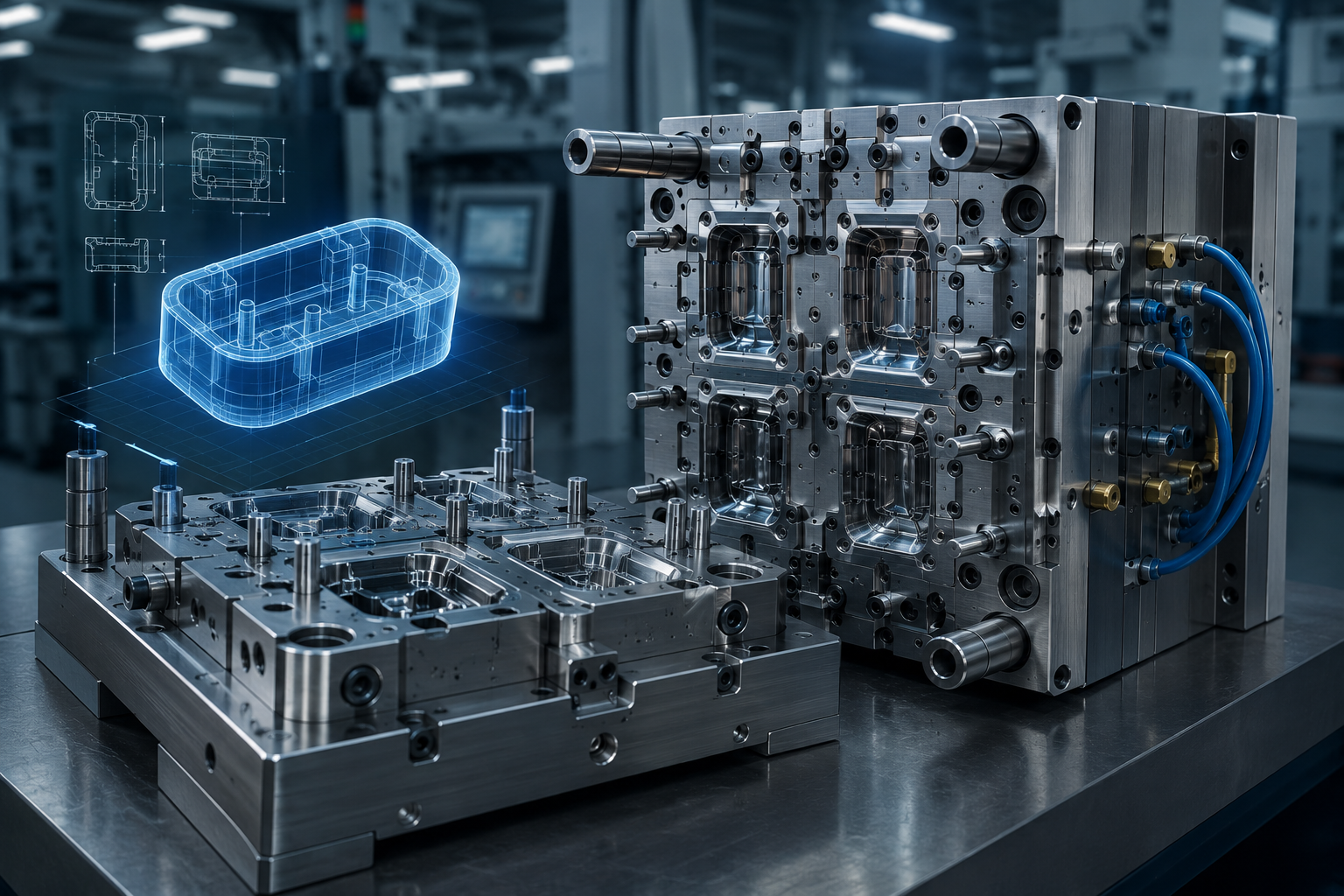
Undercuts, complex surfaces, side actions, sliders, lifters, and other moving mechanisms may require additional design, machining, assembly, and validation work.
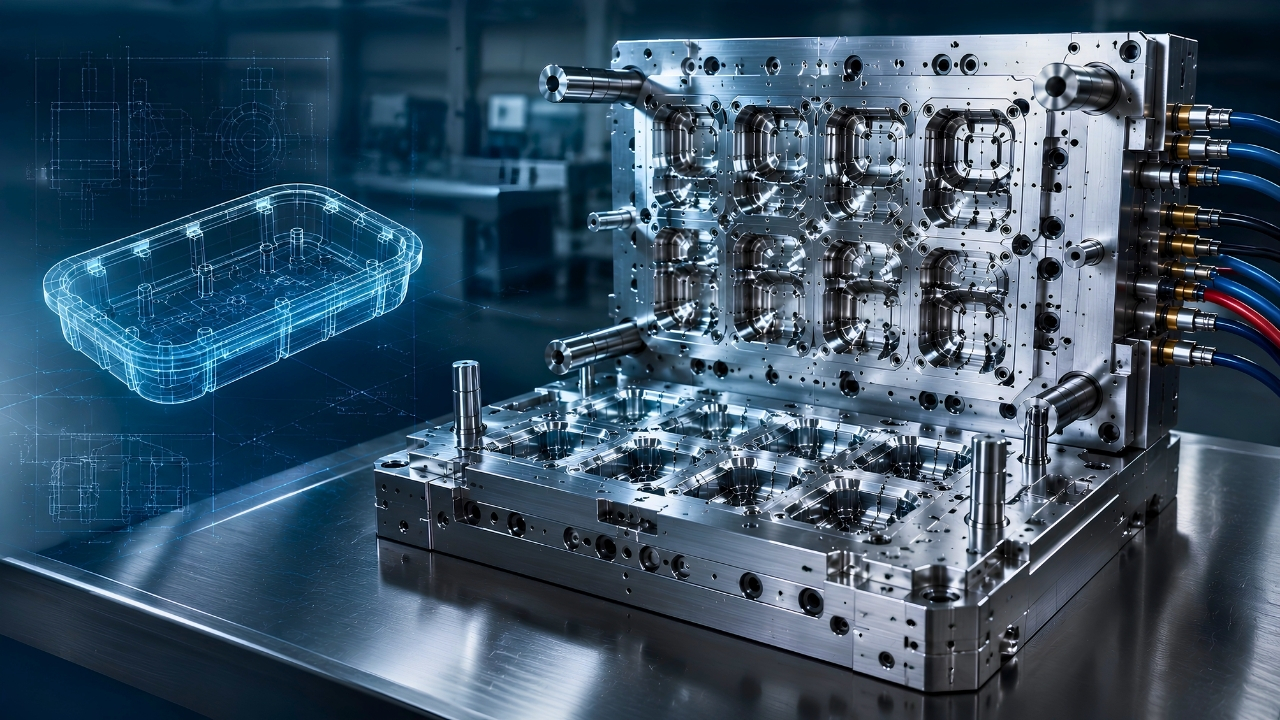
The number of cavities is another important consideration. Increasing the cavity count can affect mold dimensions, filling balance, cooling design, machine requirements, and manufacturing complexity.
The right configuration should be determined according to production volume, cycle time, machine capacity, and cost-per-part objectives—not simply by choosing the highest possible cavity count.
CNC machining is a significant component of mold manufacturing costs.
Different manufacturers may use different machining strategies for the same mold component. One manufacturer may complete a particular geometry efficiently with its available machine tools and machining approach, while another may require additional operations or longer processing times.
The cost calculation can include:
Machine-hour rates also vary depending on equipment, operating costs, utilization, and production planning.
Therefore, machining costs cannot be evaluated solely by looking at the number of CNC machines a manufacturer owns.
Manufacturers may approach the same mold project differently because of their technical experience, available equipment, and established production methods.
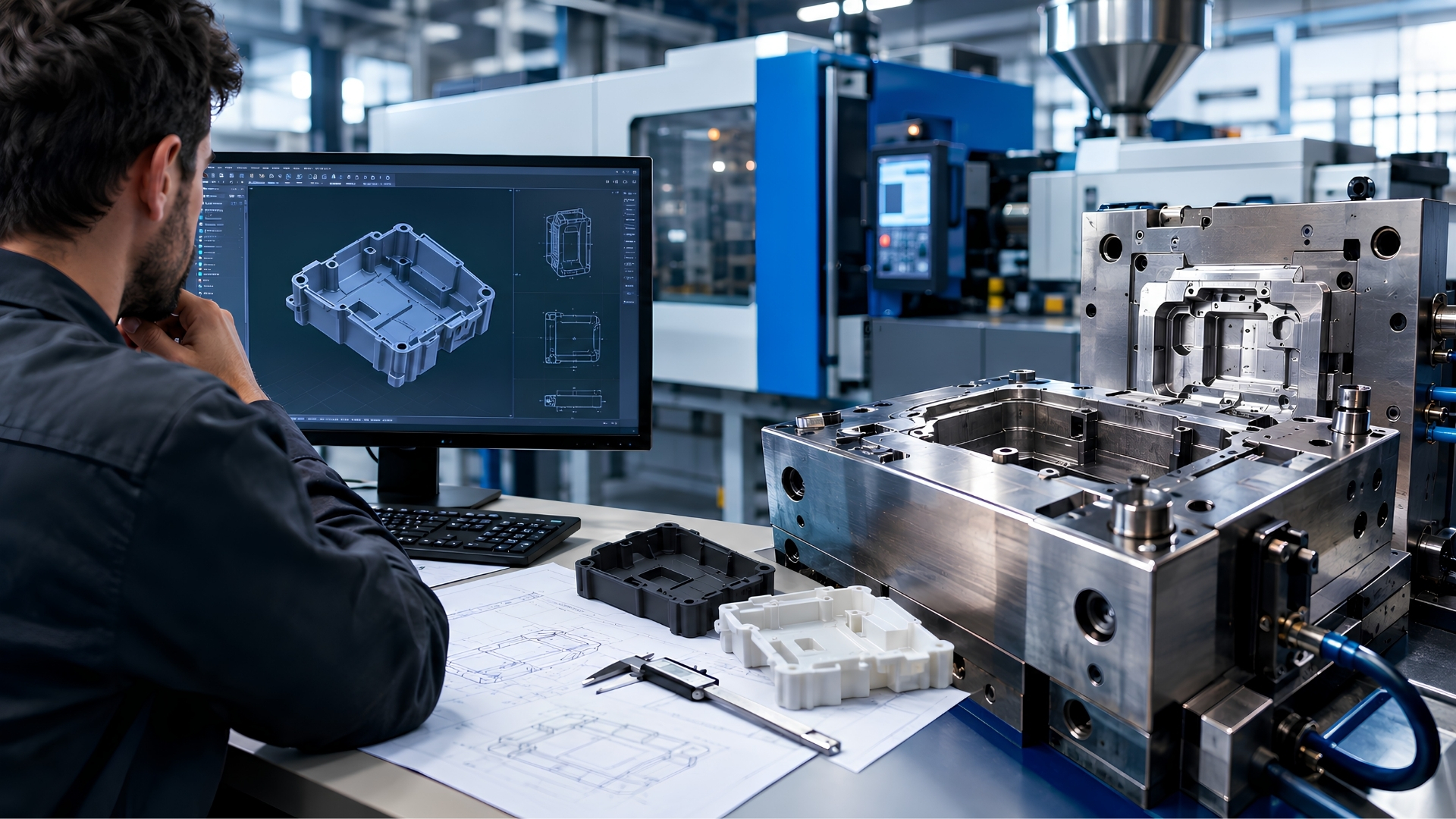
The way precision requirements are interpreted, machining operations are planned, critical dimensions are inspected, and components are assembled can all affect the final cost.
Some manufacturers may complete a particular geometry with fewer operations because their equipment and machining strategies are well suited to the task. Others may require additional processing or inspection.
These differences do not automatically mean that one manufacturer is better and another is worse.
The important question is whether the selected manufacturing approach meets the technical requirements of the project.
The intended production quantity is an important factor when determining the mold’s design and material requirements.
A mold intended for limited production may have different design and material requirements from one expected to support high-volume manufacturing over an extended period.
Expected mold life, maintenance requirements, production conditions, and the characteristics of the plastic material should all be considered.
A suitable mold solution should balance initial tooling investment with expected production performance and long-term operating requirements.
When evaluating two mold quotations, do not focus only on the total price.
First, clarify the technical and commercial scope of each offer.
Consider the following questions:
The selected steel, mold cavity count, expected mold life, and compatibility with the intended injection molding machine should all be part of the comparison.
This makes it easier to understand whether a price difference comes from material choices, machining requirements, engineering decisions, or differences in quotation scope.
A lower quotation does not automatically mean lower quality. Likewise, a higher price does not automatically demonstrate better engineering.
What matters is understanding which technical approach, manufacturing scope, and project commitments are behind the quoted price.
At Take Craft Engineering, understanding mold cost involves more than adding up individual cost items.
It also requires evaluating how those costs are formed and whether the proposed manufacturing approach meets the product’s technical and production requirements.
From mold design and material selection to manufacturing methods and production preparation, each decision should be considered in relation to the project’s objectives.
If you are planning a new injection mold project or comparing quotations from different manufacturers, our team can discuss your requirements and evaluate suitable manufacturing approaches.
Website: https://www.takecraftengineering.com/
Phone: +90 312 870 1105
Email: export@takecraftengineering.com
Right Engineering, Right Production.
Price differences may result from the selected steel grade, CNC machining time, cavity count, moving mechanisms, engineering approach, and manufacturing capabilities. In addition, quotations may cover different services, inspection procedures, and project deliverables.
The main factors include part geometry and complexity, expected production volume and mold life, steel selection, cavity count, required precision, machining operations, and mold design requirements.
No. A lower quotation may reflect a different material specification, a narrower project scope, or the exclusion of certain activities such as mold trials and revisions. These differences can affect the total project cost later. The quotation should be evaluated against the complete technical requirements.
Look beyond the total price. Review the proposed steel grade, design and manufacturing scope, machining and finishing requirements, mold trials, revision procedures, expected mold life, and compatibility with the injection molding machine intended for serial production.