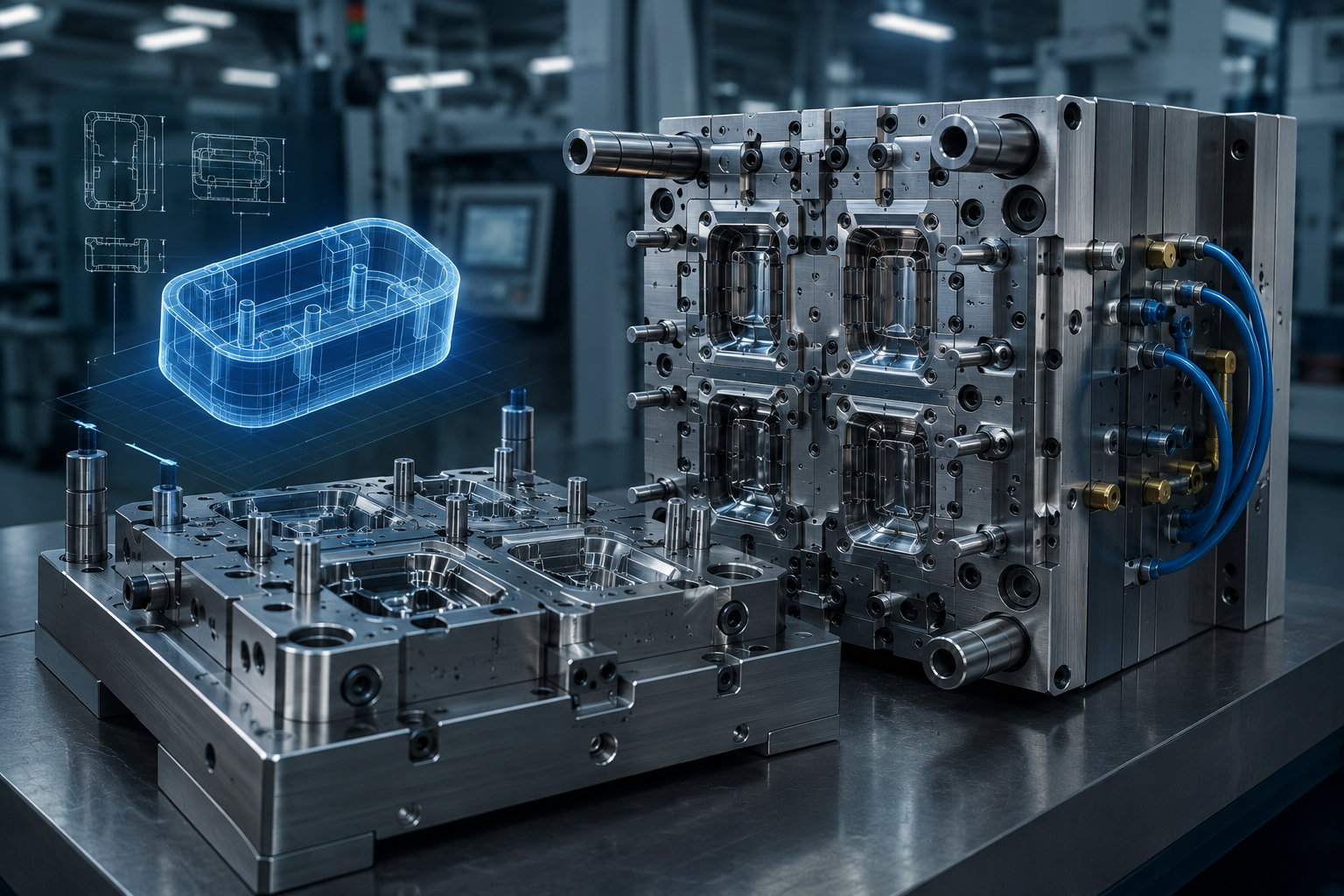
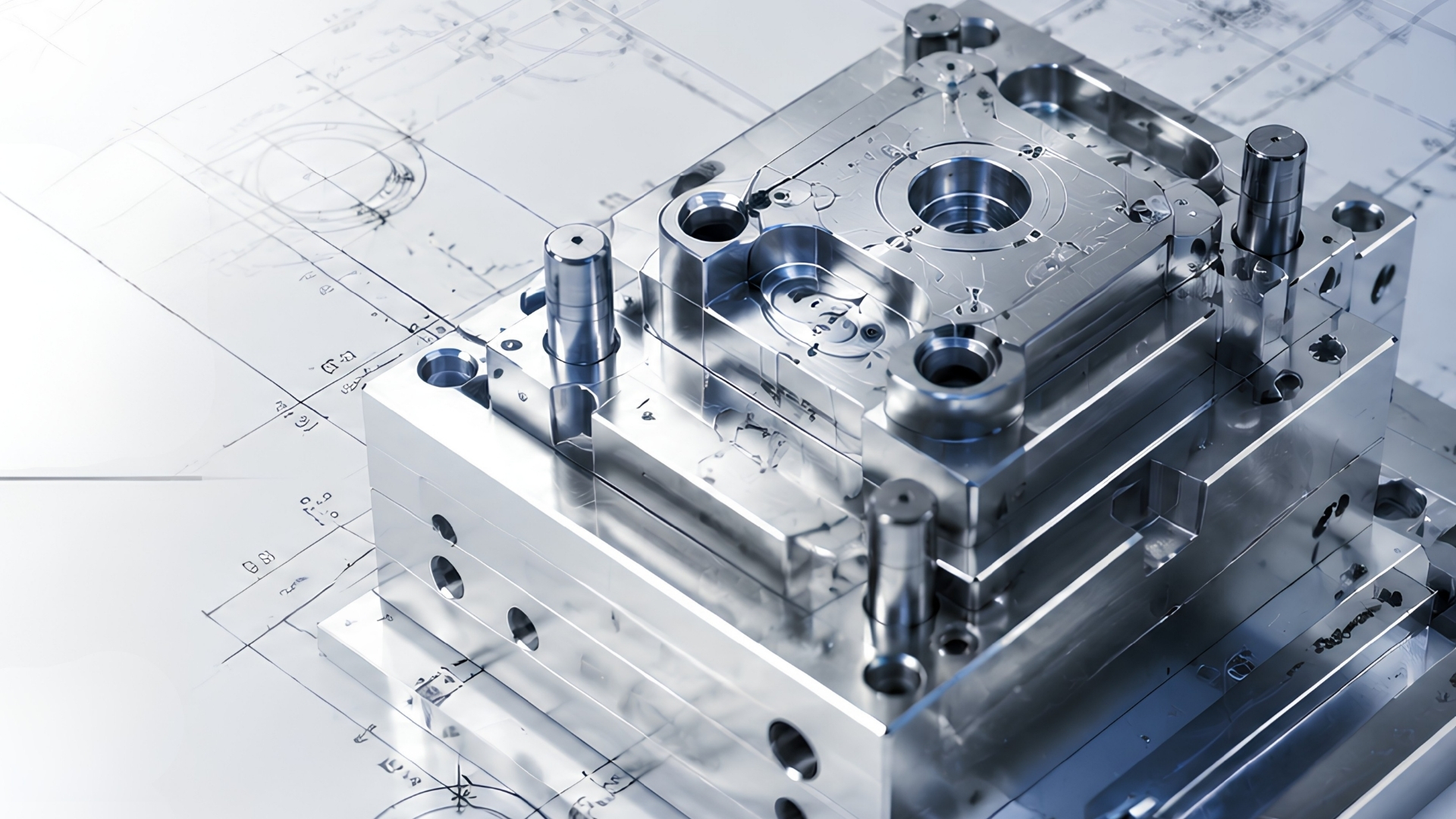
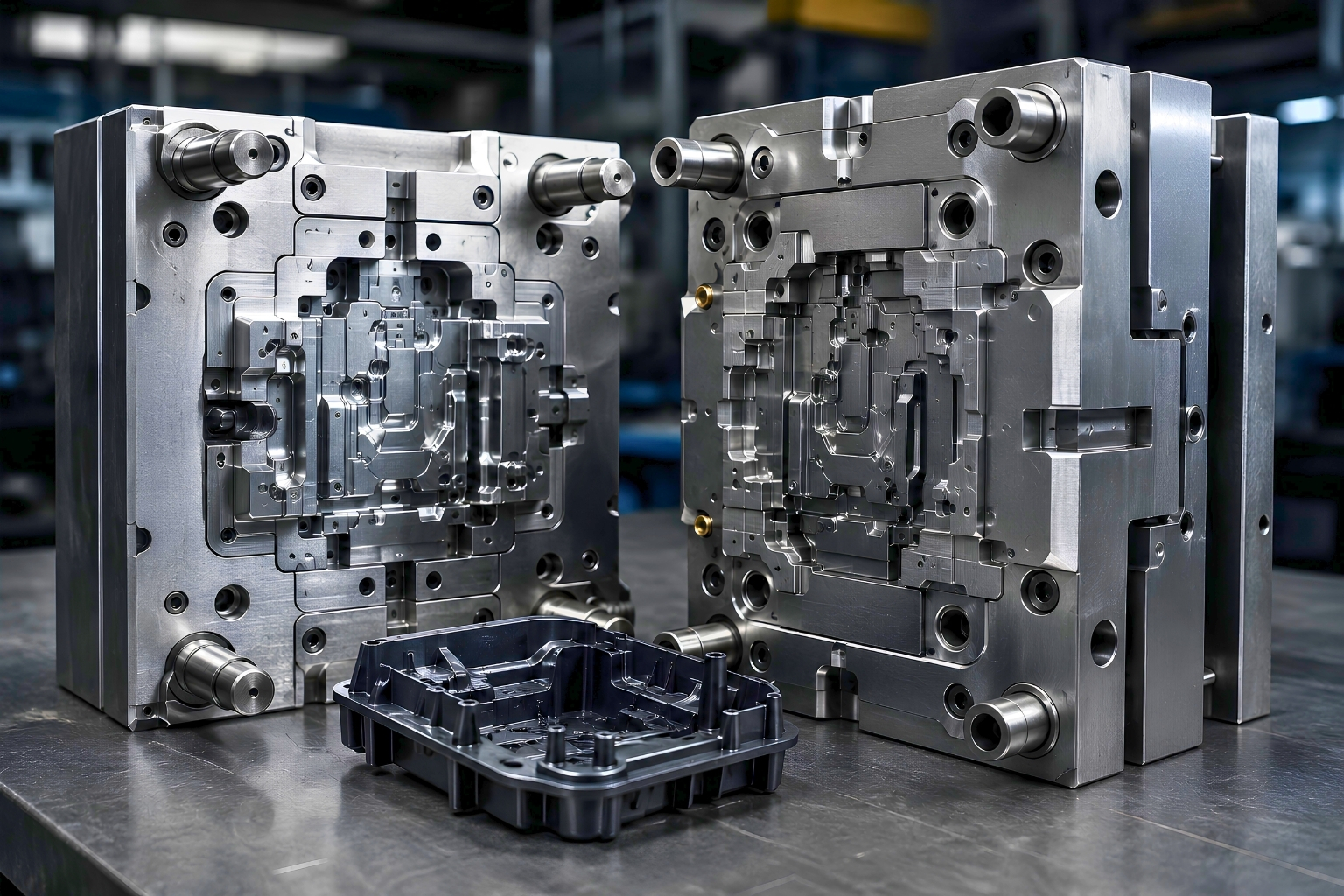
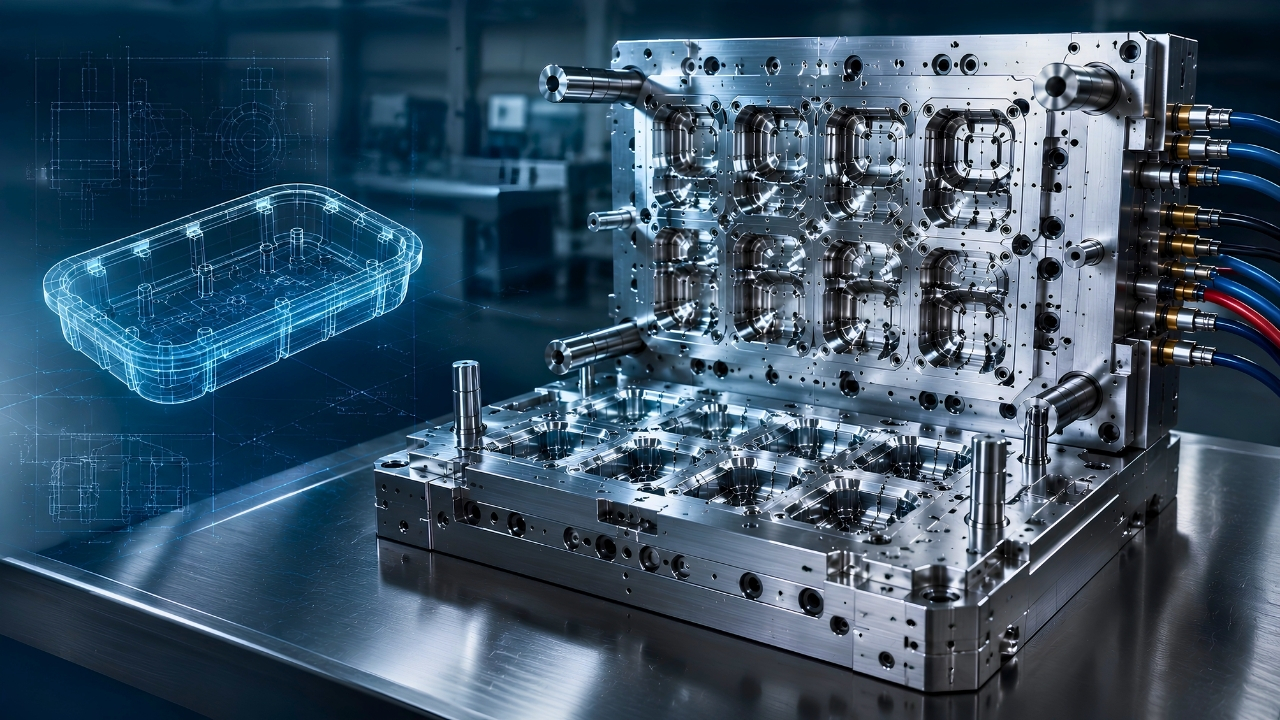
Rubber and silicone molds play a fundamental role in shaping materials that require elasticity in production. Thanks to their soft yet durable structure, even complex forms can be produced with high precision. This feature provides an advantage especially in the manufacturing of products requiring vibration absorption, high impact resistance, or sealing capabilities. Proper mold design and production not only affect the quality of the final product but also directly influence production efficiency.
Rubber and silicone molds are specialized molding systems used to shape flexible materials. Parts produced with this method are typically soft, elastic, and resistant to chemicals and temperature. Silicone molds are preferred for products requiring detailed surface textures, while rubber molds stand out in components that require impact resistance and sealing performance. Both types offer the ability to reproduce complex geometries with high accuracy.
Rubber and silicone molds are widely used in industries such as automotive, medical, electronics, defense, and consumer goods. For instance, rubber molds are commonly used in automotive applications for engine mounts, seals, and shock absorbers. Silicone molds are preferred in the production of medical devices, prosthetics, and baby products—especially where direct human contact is involved. Both mold types deliver safe, hygienic, and highly functional results.
Rubber and silicone molds enable maximum attention to detail in the manufacturing process. These molds are especially beneficial for prototyping and small-batch production, as they allow the design to be transformed into reality with near-perfect accuracy. The fluid nature of the materials helps replicate even the finest details inside the mold, ensuring both functional and aesthetically refined parts.
Rubber and silicone mold design has a direct impact on the quality of the final part. When factors such as wall thickness, draft angles, internal gaps, and edge features are correctly planned, both production efficiency and product durability are significantly improved. Designs created using computer-aided engineering (CAE) and CAD/CAM systems help reduce errors and deliver successful results right from the first production run.
Rubber and silicone molds offer cost advantages for both low-volume and repeatable production. Their resistance to high temperatures allows for the continuous production of multiple parts using the same mold. Additionally, the short production lead time accelerates the product development cycle. This allows companies to enter the market faster, test prototypes quickly, and streamline decision-making processes.
Rubber and silicone mold usage supports a more sustainable production process by minimizing material waste. The long lifespan of these molds makes them reusable many times over. Moreover, certain types of rubber and silicone materials are recyclable, contributing positively to sustainability goals. With proper usage and technical guidance, these molds can become a valuable part of eco-friendly manufacturing strategies.
The production process of rubber and silicone molds is not limited to molding alone. Every stage—from material selection and design validation to surface finishing and quality control—requires engineering input. These processes, when managed by expert teams, result in improved product performance, reduced error rates, and increased customer satisfaction. Technical consulting is especially crucial for companies investing in mold systems for the first time.
Rubber and silicone molds provide both technical and economic benefits to modern manufacturing. With their precision, flexibility, environmentally friendly features, and sectoral adaptability, they have become indispensable tools in today’s production landscape. When combined with proper design, the right engineering, and high-quality manufacturing, these systems offer durable and high-performance solutions. For professional support on this subject, feel free to contact Take Craft Engineering.