Avoid costly surprises in mold projects. Learn how to evaluate mold manufacturers, identify manufacturability risks through DFM analysis, and make better engineering decisions before production begins.
You approach a mold manufacturer, explain your product, describe what you need, and share your drawings or a physical sample if you have one.
You discuss the technical details, agree to move forward, and the manufacturing process begins.
Then the first sample arrives.
But it is not the product you expected. A dimension is off, a feature is different, or the part does not perform exactly as intended. You request a revision. Another sample arrives. Perhaps one more adjustment follows.
And the result still falls short of your expectations.
Eventually, you hear the familiar response:
“This is as good as it gets. It can’t be made any better. What you’re asking for isn’t manufacturable.”
But if that was the case, why wasn’t it discussed before the project started?
“We told you, but you didn’t take it into account.”
This is where one of the most common problems in mold projects becomes apparent: the gap between what the customer expects and what the manufacturer believes can be produced was never resolved at the beginning of the project.
Mold manufacturing requires considerable technical expertise. However, good craftsmanship is not simply about listening to a customer’s requirements and moving straight into production.
It also involves understanding the need behind the request, evaluating whether the design can be manufactured as intended, and identifying potential problems before they become expensive revisions.
Sometimes, a customer knows exactly what the finished product should do but is unfamiliar with the technical constraints of the manufacturing process.
In other cases, the manufacturer develops a solution based on familiar methods and existing capabilities without fully clarifying the difference between that solution and the customer’s expectations.
This is where engineering guidance becomes essential.
The product’s intended use, dimensions, functional requirements, material, and manufacturing method must be evaluated together. If a design change is necessary, the reason should be explained clearly, along with its expected impact on the product and production process.
There is a significant difference between saying, “This design cannot be manufactured,” and explaining:
“This geometry may not deliver the result you expect with the proposed manufacturing method. With the following design adjustment, we may be able to achieve your intended outcome.”
The first statement closes the conversation. The second opens the door to a technical solution.
At Take Craft Engineering, the value of mold expertise lies not only in manufacturing knowledge but also in connecting product expectations with production realities.
The objective is not to accept every customer request without question, nor to disregard the experience of skilled mold makers. It is to bring together design, tooling, and manufacturing knowledge so that decisions can be made on a clear technical basis.
When a proposed solution is unsuitable, the reasons should be explained. Alternatives should be evaluated, and the customer should understand the implications of each decision before the project proceeds.
This approach also allows the mold maker’s experience to contribute more effectively. Instead of defending a problem after it appears, the team can use that experience to anticipate risks and address them earlier.
Good engineering does not mean claiming that problems will never occur. It means identifying risks early and making informed decisions together.
Clear communication at the beginning of a mold project can replace the frustrating response, “This is as good as it gets,” with technical explanations, realistic expectations, and practical alternatives.
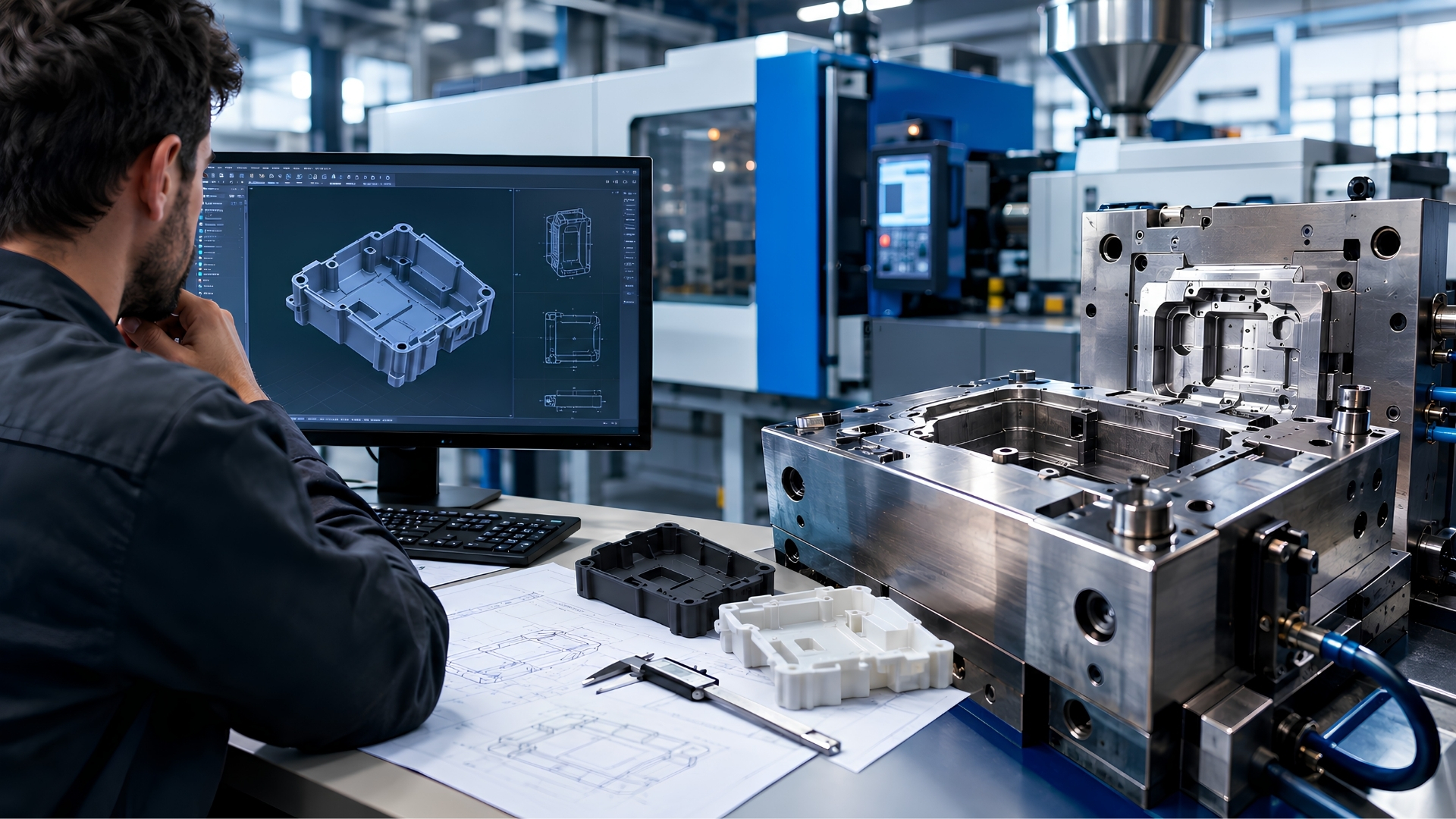
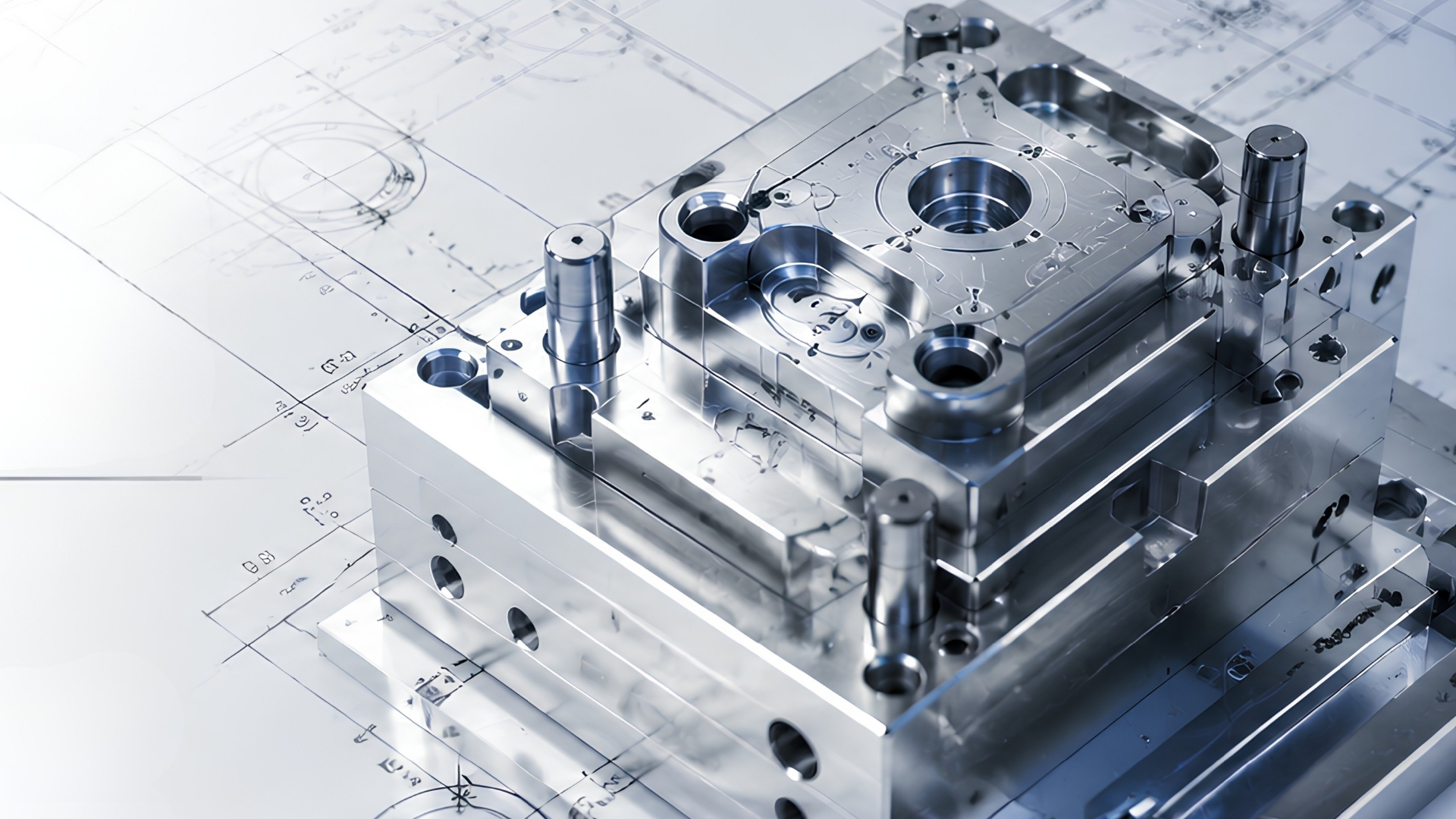
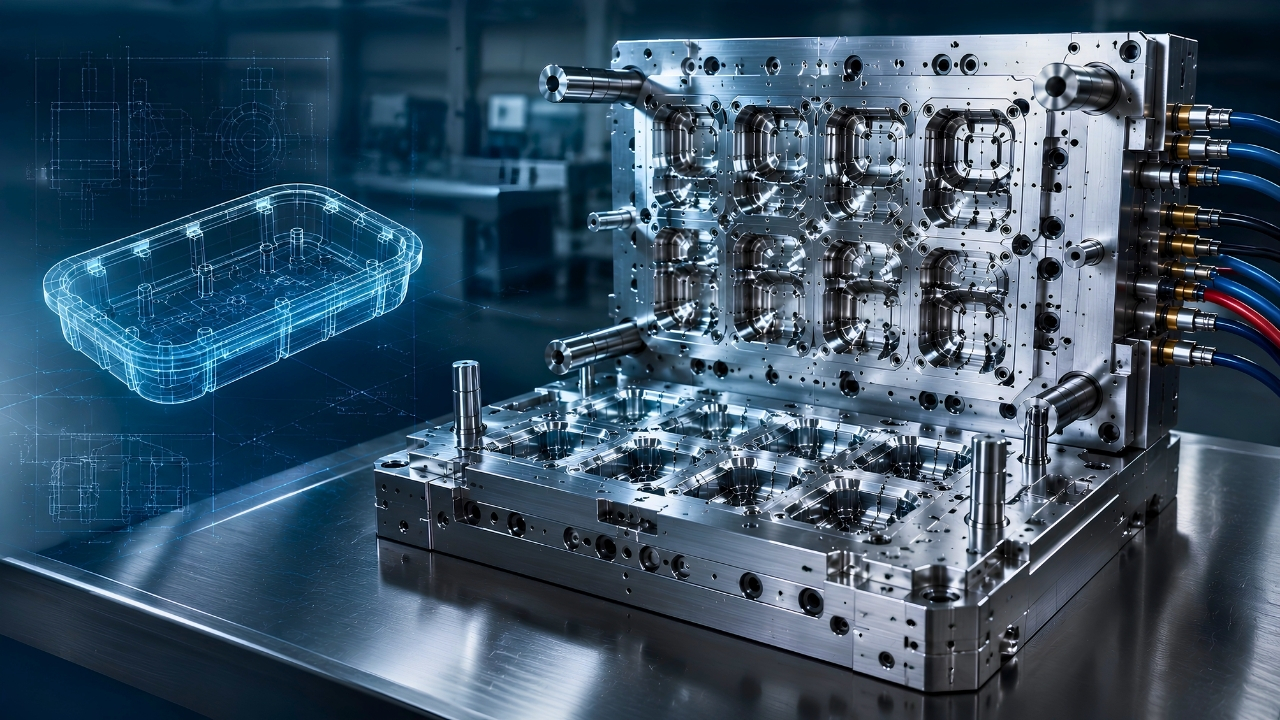
A product may look correct in a 3D CAD model and still present challenges during plastic injection molding.
Depending on the design, factors such as wall thickness, draft angles, parting lines, material behavior, dimensional tolerances, and assembly requirements can influence mold complexity and the quality of the finished part.
A Design for Manufacturing (DFM) review helps identify potential risks before mold manufacturing begins.
This review can help the project team assess:
DFM is not simply a process of pointing out design problems. It is a way to evaluate alternatives and understand their technical and commercial implications before substantial tooling costs have been committed.
The earlier these questions are addressed, the more opportunity the project team has to make informed decisions.
Before approving a mold quotation, consider more than the price and delivery date.
Ask the manufacturer:
A capable manufacturing partner should be able to explain not only what can be produced, but also the conditions and trade-offs involved in achieving the required result.
A successful mold project starts with a shared understanding of the product and its requirements.
That means discussing the intended function, evaluating the design, identifying production risks, and agreeing on how the finished part will be assessed.
When a design presents a challenge, the next step should be a technical discussion about the cause, the available options, and the consequences of each alternative.
This does not eliminate every production issue. It creates a more structured way to identify problems, manage changes, and make decisions throughout the project.
At Take Craft Engineering, we approach mold development through the relationship between product manufacturability, tooling requirements, and production objectives.
Our aim is to help connect the customer’s expectations with a technically considered manufacturing approach—from design evaluation to mold development and production preparation.
When a mold project reaches the point where the manufacturer says, “This is as good as it gets,” the underlying issue may have started much earlier.
Unclear requirements, insufficient design review, unspoken assumptions, or a lack of technical alignment can all contribute to a gap between expectations and results.
The solution is not simply to demand a better mold. It is to establish a better engineering process before manufacturing begins.
By reviewing manufacturability, discussing technical constraints openly, documenting requirements, and evaluating alternatives early, both the customer and manufacturer can make better-informed decisions.
The right mold project begins long before the first chip is cut or the first sample is produced.
Are you concerned about the manufacturability of a new product? Would you rather identify potential production issues before the first mold trial than discover them through repeated revisions?
Take Craft Engineering can help you evaluate your product requirements, consider manufacturability risks, and explore practical engineering solutions for your project.
Website: https://www.takecraftengineering.com/
Phone: +90 312 870 1105
Right Engineering, Right Production.
A product that looks correct in a CAD model or concept design is not necessarily ready for plastic injection molding. A DFM review helps identify potential issues involving wall thickness, draft angles, parting lines, tolerances, material behavior, and assembly requirements before the mold is manufactured. This can reduce the risk of avoidable revisions and delays.
Customers may focus primarily on the product’s function and appearance, while manufacturers may focus on tooling methods and existing production capabilities. If the underlying requirements and technical constraints are not discussed clearly at the beginning, the two parties can develop different expectations of the final result.
Ask for a specific technical explanation. Which feature, dimension, geometry, or process constraint is causing the problem? A constructive engineering review should explore whether a design adjustment or alternative manufacturing approach could achieve the intended function.
Request a technical review alongside the quotation. Discuss the part design, material, critical tolerances, intended use, mold structure, and validation requirements before manufacturing begins. Avoid treating the supplied drawing as sufficient evidence that the design is ready for production.