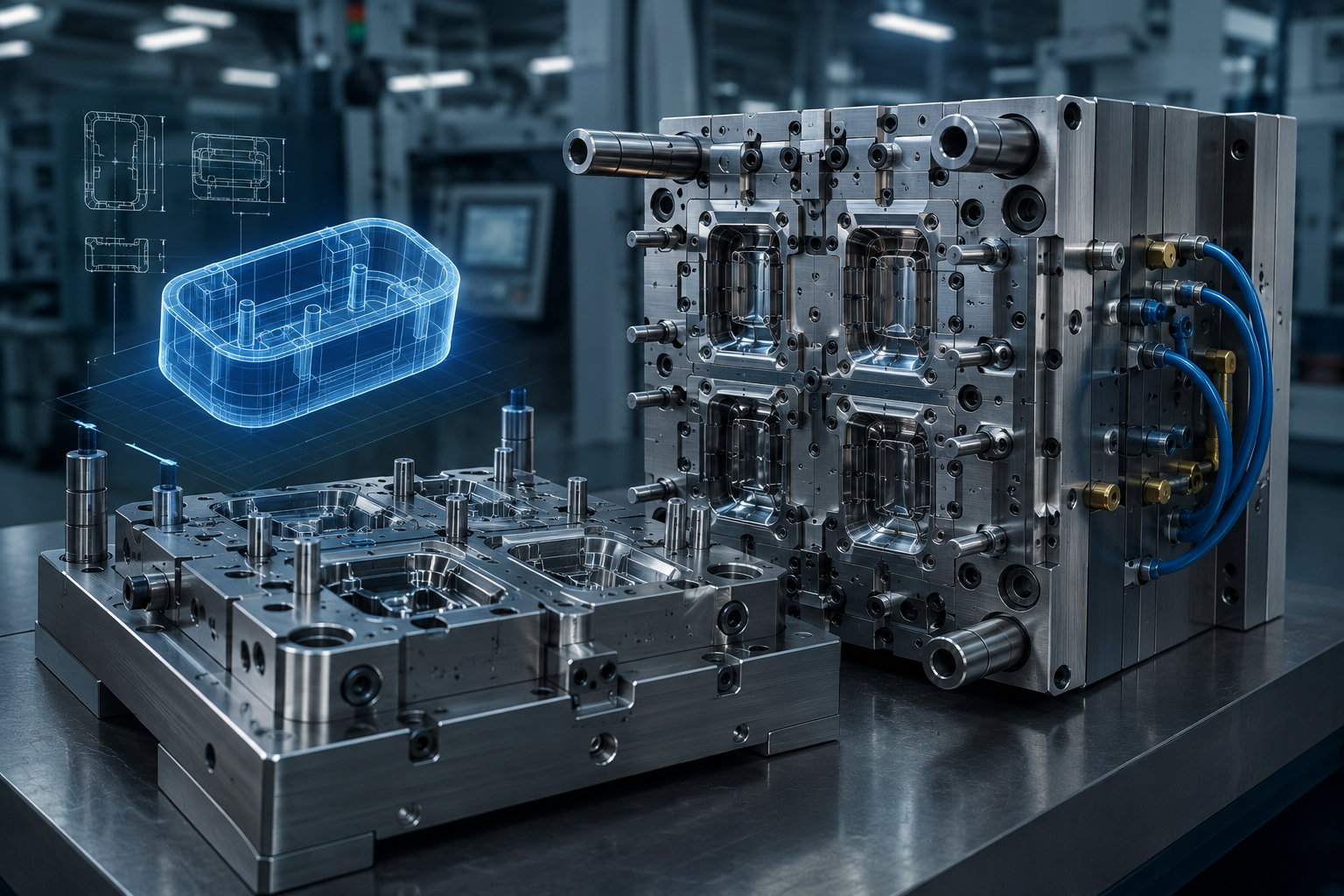
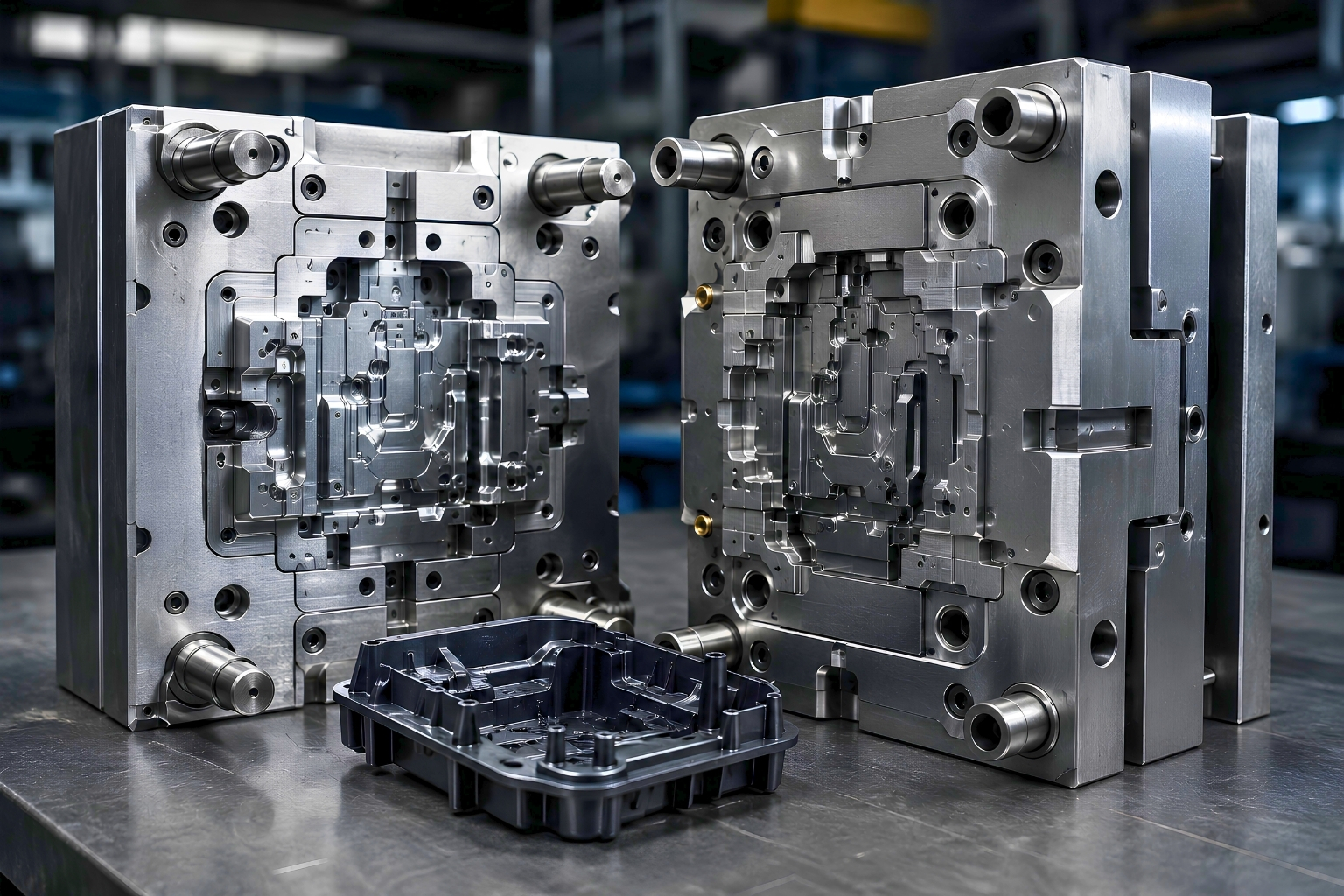
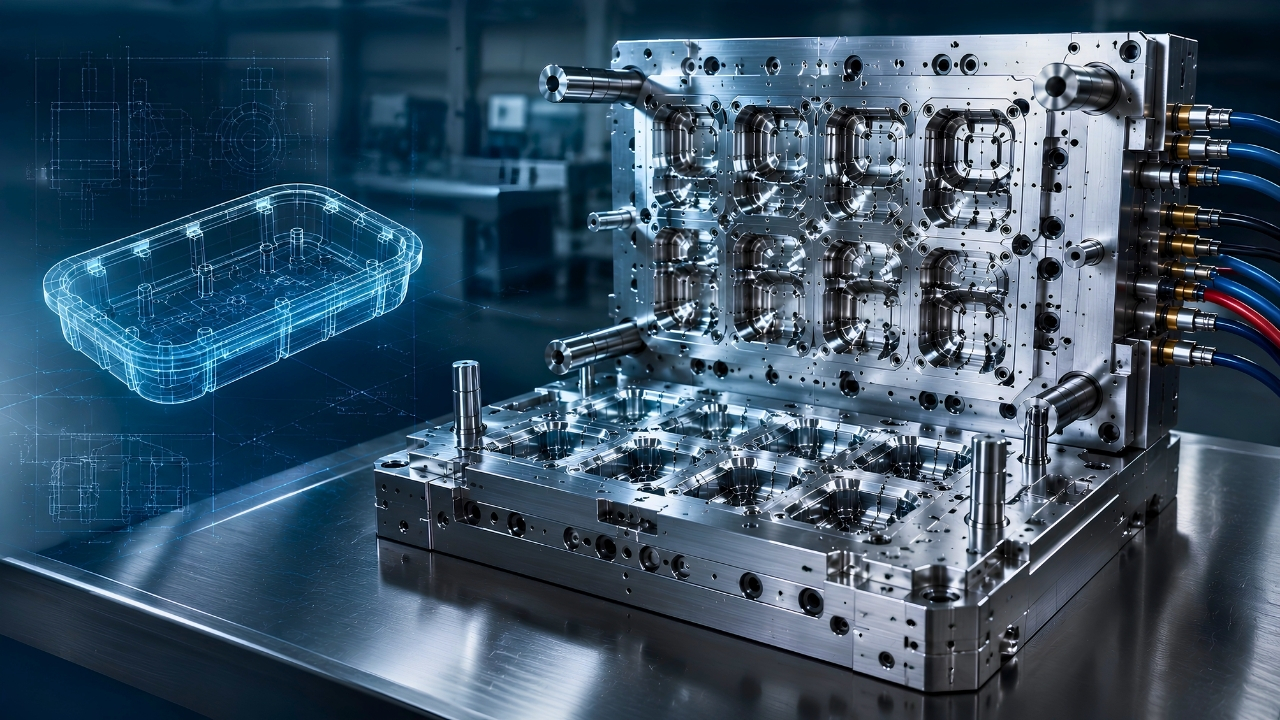
The prototype stage is a critical milestone where a product idea takes a tangible form. At Take Craft Engineering, we approach this process not merely as a technical production phase, but as a path toward detailed analysis and high quality. During prototyping, we first carefully analyze the efficiency of design and production, then select the most suitable 3D printing technique for the product before moving into fabrication. In this way, each prototype lays a solid foundation for the product development process.
Prototype production is the process of creating the first physical version of a product after the design phase. The goal of this stage is to obtain a tangible model that can be used to test both the appearance and functionality of the product. A prototype helps identify design flaws and optimize the development process before full-scale manufacturing begins. Thanks to 3D printing technology, prototype production can now be faster and more cost-effective. A well-planned prototyping process ensures that the product reaches the market on a more solid footing.
Prototype production allows for the physical testing of a design during the product development phase. This makes it possible to identify potential technical problems or design shortcomings before manufacturing starts. It enables real-world evaluation of how the product functions and allows for necessary improvements. Prototyping not only guides the manufacturing process but also saves time and cost. Moreover, it serves as a powerful tool for introducing the product more effectively to investors and customers.
Prototyping transforms digital designs into physical models, making it possible to test conceptual ideas in a hands-on manner. The product’s form, dimensions, and ergonomics are evaluated at full scale. The data gathered during this process helps make design revisions more precise. A visually impressive design can be tested for technical feasibility through the prototype. As a result, the design process progresses more efficiently and consciously.
3D printing technology offers the ability to produce functional and detailed prototypes quickly. Compared to traditional methods, it is more cost-effective and flexible. Every small design change can be easily tested with a new prototype. This accelerates the product development cycle and shortens the time to market. Additionally, different material and texture options can enhance the prototype’s resemblance to the final product.
Prototyping allows not only for testing the external appearance of a product but also its functionality. Trials based on real-life usage scenarios reveal the product’s performance and durability. This process helps identify technical issues that might be overlooked during design. Factors such as part compatibility, movement mechanisms, or ergonomics are directly evaluated on the prototype. In this way, the product is refined from both technical and user perspectives before reaching the market.
In industrial design, functionality, aesthetics, and ergonomics must be considered together. The most suitable tool to test this balance is the prototype model. The balance, weight, and form felt when holding the product determine whether the design is successful or not.
At Take Craft Engineering, we see this process not just as a technical procedure but as a creative partnership. We start by conducting detailed analyses based on digital design data, and then choose the appropriate 3D printing method in line with efficiency goals. We manage the entire process in continuous communication with our clients to ensure the final output delivers optimal results.
In conclusion, prototyping is one of the most critical steps on the journey from idea to production. It offers the opportunity to evaluate design accuracy, functionality, and user experience, guiding the development process. With 3D printing technology, this process becomes faster and more sustainable in terms of cost. Tests conducted on the physical model lead to more effective design revisions. All these advantages contribute to making the final product more robust, functional, and successful. A well-structured prototype production process not only saves time but also strengthens brand reliability.
For more information, feel free to contact Take Craft Engineering.