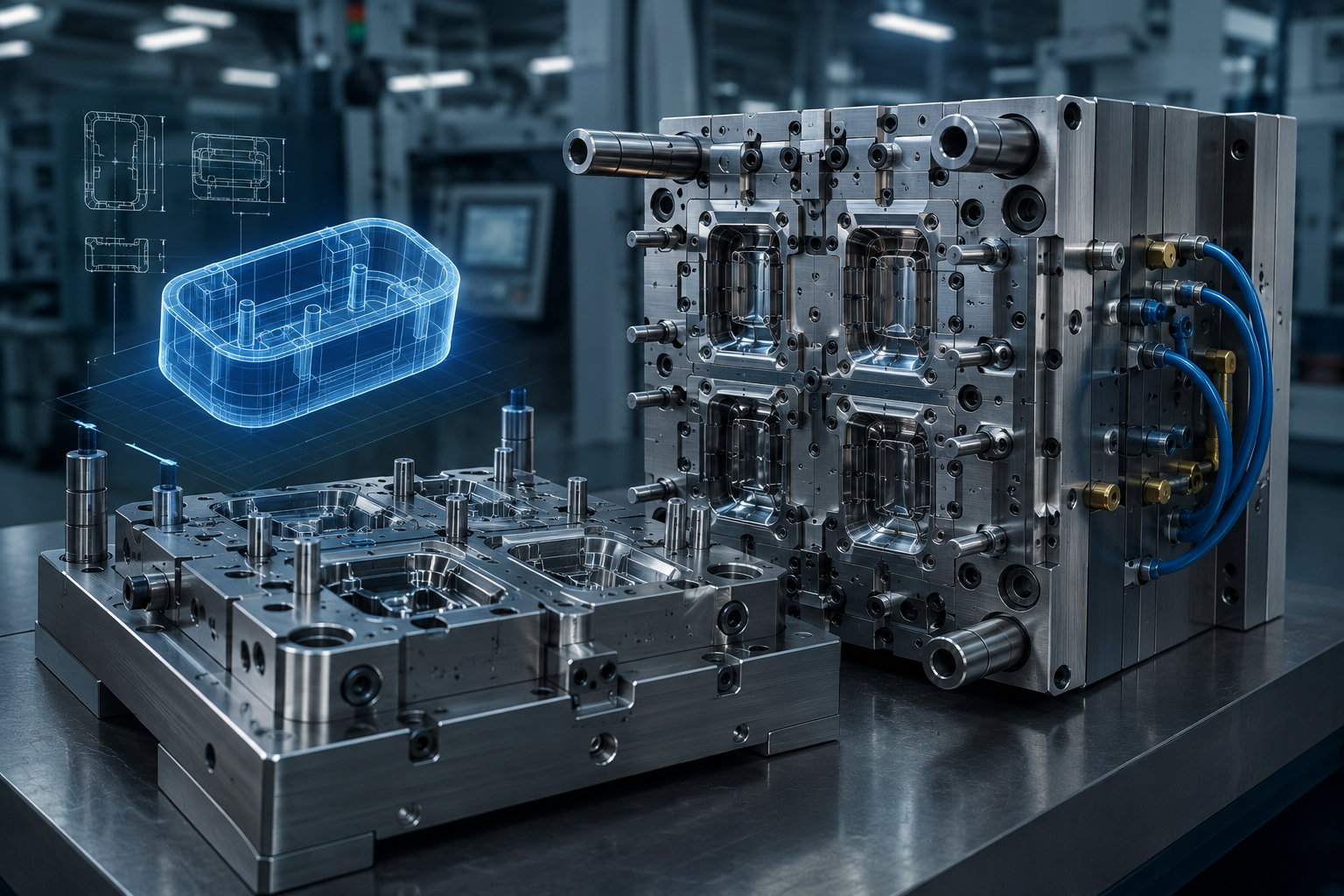
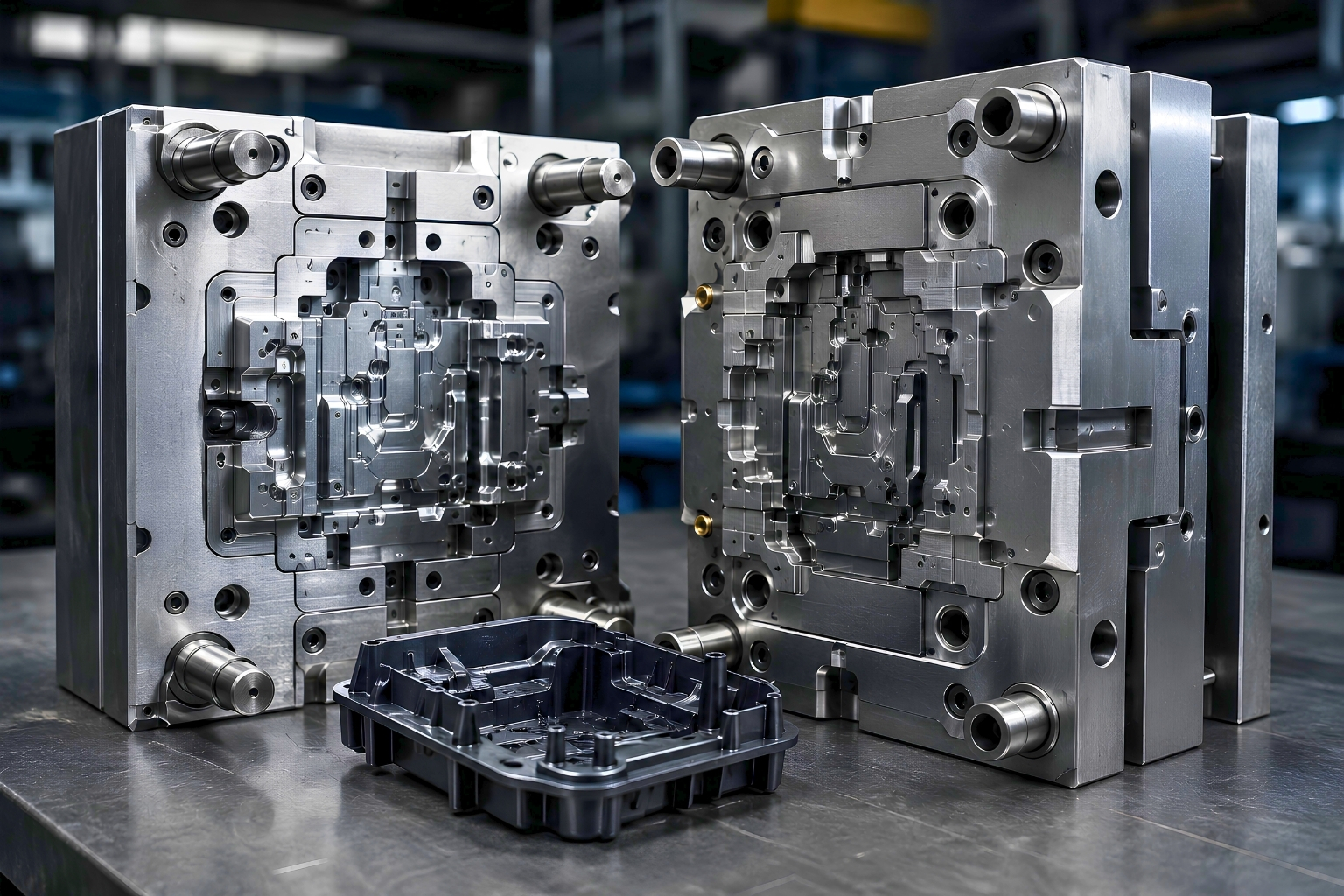
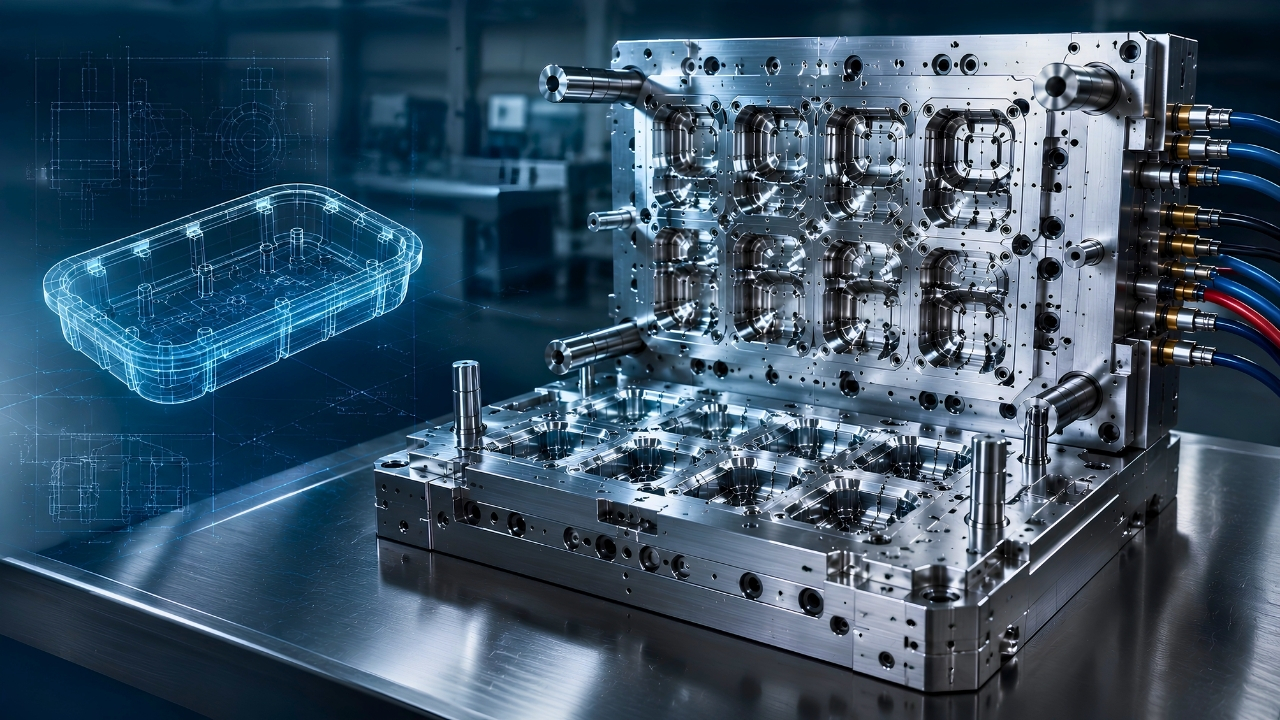
With FDM (Fused Deposition Modeling), thermoplastic filaments are melted at high temperatures and layered (additive manufacturing) to create three-dimensional models. This method is highly preferred in prototyping processes due to its advantages of fast and cost-effective production. At Take Craft Engineering, we use FDM technology to provide solutions tailored to our customers’ different needs. Producing durable, functional, and detailed prototypes becomes both economical and flexible with this method. FDM serves as a reliable starting point in product development processes.
FDM (Fused Deposition Modeling) is one of the widely used manufacturing methods in the 3D printing world. Solid thermoplastic filament is heated and melted, then applied layer by layer to a surface. These layers build up on top of each other to form the desired shape. Engineering plastics such as PLA, ABS, and PETG are commonly used in FDM. While the process may seem simple, it is highly functional for projects that require high precision and detail.
The FDM (Fused Deposition Modeling) process begins with slicing the digital design file to prepare it for printing. The filament is melted by the heated nozzle and laid down in layers along the drawn path on the build plate. After each layer dries, the next layer is built on top of it. Once the process is complete, a physical model is obtained. This model can be used for both visual and functional testing of the product.
FDM (Fused Deposition Modeling) technology is used not only for prototype production but also for engineering validation models, concept designs, and end-use parts. It finds applications in various sectors such as automotive, medical, defense, and product design. Advantages such as part durability, fast production, and low cost make this method stand out. It is also frequently used in education and R&D fields.
Common materials used in FDM (Fused Deposition Modeling) systems include PLA, ABS, PETG, TPU, and nylon. PLA is eco-friendly and easy to print, while ABS offers higher durability. TPU is preferred for flexible parts, while nylon is used for applications requiring mechanical strength. At Take Craft Engineering, we enhance prototype quality by offering material recommendations tailored to the specific project.
FDM (Fused Deposition Modeling) offers low-cost and rapid solutions, making it highly advantageous during the prototyping stage. Even complex parts can be easily produced. Additionally, the wide range of material options allows the method to adapt to different applications. Its user-friendly nature and minimal setup requirements are also significant benefits. Small revisions can be quickly made when necessary, accelerating the development process.
FDM (Fused Deposition Modeling) provides designers with greater freedom to work. Unlike traditional manufacturing methods, internal geometries and complex forms that are often restrictive can be easily achieved with this technology. Lightweight yet durable structures with hollow interiors can be produced. This allows for both design efficiency and aesthetics to be combined. This flexibility is especially useful for quickly testing new ideas.
Prototypes produced with FDM (Fused Deposition Modeling) are ideal for functional testing. The assembly of parts and their interaction can be observed. Durability, flexibility, and assembly characteristics can be tested directly. This provides a significant advantage in the product development process. Design updates can be made instantly based on test data.
The rapid prototyping process with FDM (Fused Deposition Modeling) accelerates as the digital model quickly transforms into a physical model. In urgent projects, sample parts can be produced within hours using this technology. Outputs obtained in the early stages of the design process help determine the direction of development. Early detection of errors also helps save time and budget. At Take Craft Engineering, we plan the entire process according to specific needs.
We offer FDM (Fused Deposition Modeling) services with tailored solutions for each customer’s industry and project. We provide technical support in material selection, print settings, and model analysis. With quality control applied at every stage, we produce functional and reliable prototypes. Whether it is a single part or mass production, we adopt a transparent and efficient business model throughout the process. With our flexible production infrastructure, we quickly bring projects to life, even for requests from different sectors.
For more information, feel free to contact Take Craft Engineering.